A perspective piece from The Listening Market
Nostalgia is supposed to be a backward-looking emotion, a wistful glance at a time that has passed. Yet it keeps arriving from the future. Every few years, a wave of retro aesthetics, reunion tours, reboots, and reissues sweeps through popular culture, and each time it feels like a surprise. The nostalgia cycle has become so predictable that it is almost a joke among cultural commentators. The thing being nostalgic for is always roughly twenty to thirty years old, which means the audience rediscovering it is always the generation that grew up with it the first time around.
But there is something more going on than simple generational recycling. Nostalgia keeps coming back because it serves a function that never stops being relevant. It offers something that novelty, for all its excitement, struggles to provide. Comfort. Continuity. A sense of identity rooted in a recognisable past.
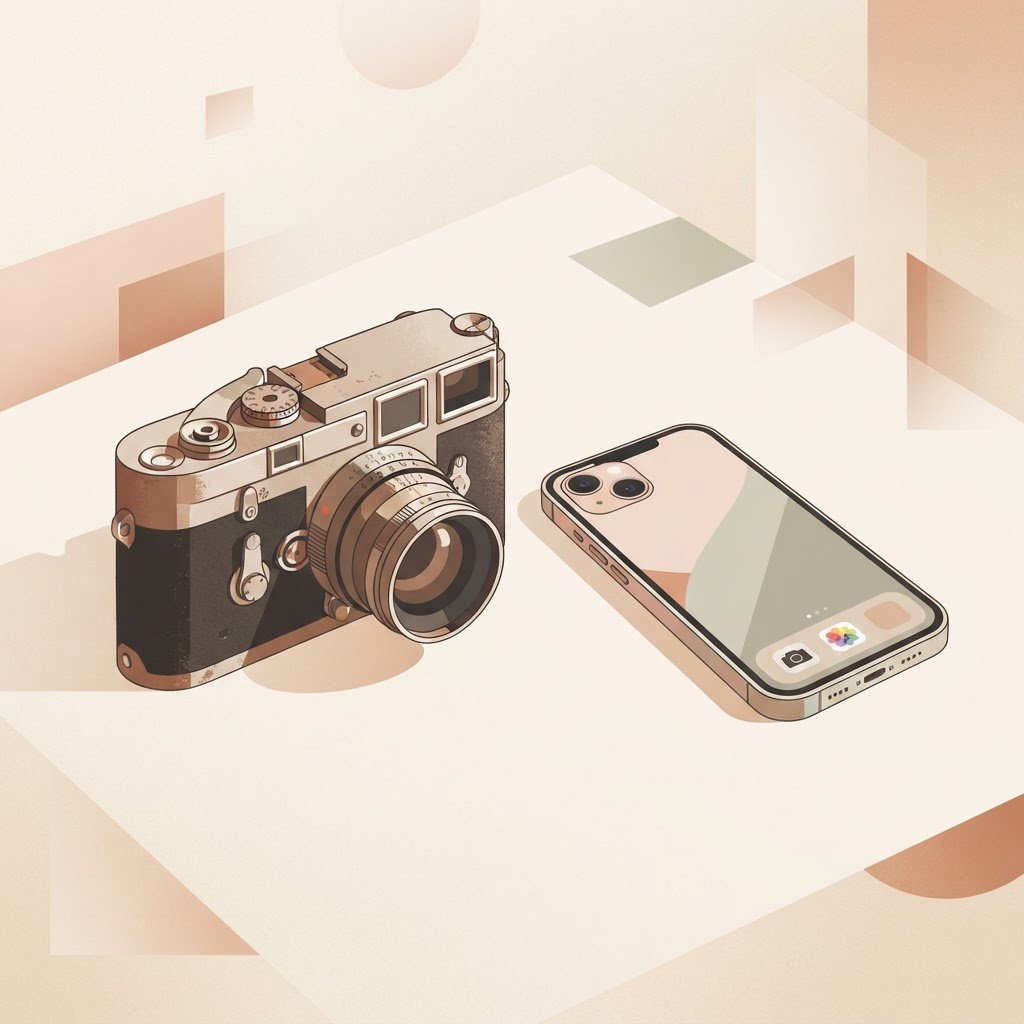
The current nostalgia wave is hard to miss. Film cameras from the nineties are selling at premium prices to young people who never used them the first time. Vinyl records have been outselling CDs for years. Fashion from the early two thousand and tens is back in stores, and the same young shoppers who buy it were barely old enough to walk when those styles first appeared. Streaming platforms are reviving shows that ended a decade ago. Pop stars are sampling tracks that their parents danced to. The past is everywhere, wearing new clothes.
What is striking is how nostalgia has migrated across generations. It used to be that nostalgia was the province of older people, the ones with enough lived history to look back fondly. Now it operates differently. Young people are nostalgic for eras they never personally experienced, a phenomenon sometimes called anemoia. They collect cassette tapes they never owned, wear band t-shirts for groups that broke up before they were born, and romanticise decades they only know through curated images online. This is not nostalgia in the strict sense. It is a kind of borrowed longing, a yearning for a past that feels simpler and more textured than the present, even if that past was never actually theirs.
The reasons for this are complex, but the acceleration of daily life is clearly part of it. When change is constant and overwhelming, people reach for the familiar. The present feels unstable, the future feels uncertain, and the past, however imperfect, feels fixed. It cannot change. It is safe in a way that nothing else is. A song from twenty years ago sounds exactly the same today as it did then, and in a world where nothing stays still, that kind of permanence is deeply comforting.
There is also an aesthetic dimension. The textures of older media have a warmth and imperfection that digital production often lacks. Film grain, vinyl crackle, the slight distortion of a cassette tape. These flaws, once seen as limitations, are now valued as signs of authenticity. In a world where everything can be polished to perfection in software, imperfection has become a form of luxury. The fact that a film camera produces unpredictable results is precisely the point. It resists the flattening, optimised quality of digital life.
The commercial side of nostalgia is impossible to ignore. Brands have learned that nostalgia is a powerful marketing tool. A reissue of a beloved product, a revival of a discontinued brand, a collaboration between a heritage label and a contemporary designer. These moves reliably generate attention and sales. The reason is simple enough. Nostalgia bypasses rational evaluation. People do not buy a retro product because it is the best option. They buy it because it makes them feel something. And feelings, as any marketer knows, are more reliable drivers of behaviour than specifications.
But there is a tension in the commercialisation of nostalgia. When everything old is repackaged and sold back, the genuine emotional connection that made it valuable in the first place can get lost. A reunion tour that exists purely to monetise affection feels hollow. A reboot of a beloved film that trades on name recognition without understanding what made the original special leaves audiences cold. Nostalgia, when it is manufactured rather than organic, tends to ring false. The most successful retro phenomena are the ones that treat the past with genuine respect rather than treating it as a marketing template.
The social function of nostalgia is worth considering too. Sharing memories of a particular era is a bonding activity. It creates instant connection between strangers who grew up watching the same shows, listening to the same music, playing the same games. In a fragmented media landscape where everyone has their own personalised feed and no two people watch the same thing, shared cultural touchstones have become rare. Nostalgia provides them. When someone mentions a show from the early two thousands, everyone of a certain age nods. It is a small but real form of community, built on a common past.
There is also a psychological function that researchers have studied extensively. Nostalgia, contrary to its reputation as a form of unhealthy dwelling on the past, appears to be genuinely beneficial for mental health. Studies have found that nostalgic reflection can counteract loneliness, increase feelings of social connectedness, and provide a sense of meaning during difficult periods. It serves as an emotional resource, a way of reminding people that their life has continuity and that they have been happy before and can be happy again. In that sense, nostalgia is not an escape from the present but a stabiliser that helps people face it.
The recurring nature of nostalgia suggests it is not a trend but a feature of human psychology. People will always look backward, not because they want to return to the past, but because the past gives them something the present cannot. A fixed point. A story they already know the ending to. A version of themselves that was simpler, or at least feels simpler in hindsight. The specific object of nostalgia changes, cycling through decades as generations age, but the underlying need does not.
What is different now is the speed of the cycle. In the past, nostalgia operated on a longer timeline. Something had to be genuinely old before it was revisited. Now, the cycle has compressed. A trend from five years ago can feel nostalgic, not because it is ancient but because the cultural pace has accelerated so dramatically that even recent past feels distant. This acceleration is partly driven by the internet, which simultaneously speeds up the creation of new culture and the rediscovery of old culture, creating a kind of permanent temporal blur where past and present coexist on the same feed.
The irony of all this is that nostalgia, which is by definition about the past, keeps generating something new. The revival of film photography has produced a wave of contemporary images that would not exist otherwise. The vinyl revival has kept pressing plants in business and given new artists a physical format to release on. The return of old fashion aesthetics has inspired designers to reinterpret rather than simply copy. Nostalgia, when it works well, is not a retreat. It is a conversation between past and present, each one giving the other new meaning.
And perhaps that is why it keeps coming back. Not because people are stuck, or lazy, or unwilling to embrace the new. But because the past and the present need each other, and culture is healthiest when both are in the room at the same time. The nostalgia wave will subside, as it always does, and something new will take its place. But it will return again, as it always does, because the pull of the familiar never goes away. It just changes its clothes.