
A perspective piece from The Listening Market
There used to be a moment on Friday nights when the whole country watched the same thing. Not because it was the best thing on — because it was the only thing on. Discovery in the era of broadcast television was simple: you watched whatever was placed in front of you, and if you didn’t like it, you waited until something better came along. The schedule was the menu, and the menu was short.
Streaming broke that model into a thousand pieces, and then built something entirely new from the shards. What it created wasn’t just a different way to watch — it was a different way to find. Discovery, the quiet act of stumbling onto something you didn’t know you wanted, was reinvented from the ground up. And the implications have reached far beyond entertainment.
The End of the Shared Schedule
When everyone watched the same channel at the same time, discovery was collective. A show became popular because the network decided it would air at 8pm on a Thursday, and enough people tuned in that it became a shared cultural event. Word of mouth had a runway — people discussed last night’s episode at work because they’d all seen the same thing.
Streaming shattered that synchrony. According to Nielsen’s audience measurement data, the fragmentation of viewing habits has accelerated dramatically, with viewers spread across dozens of platforms and thousands of titles. Two people in the same household can watch entirely different things in different rooms at different times. The shared schedule is gone, and with it, the shared discovery.
The Algorithm as Curator
What replaced the schedule was the algorithm — and this is where the story gets interesting. Algorithms don’t surface the same thing for everyone. They surface what they calculate each individual wants, based on past behaviour, viewing patterns, and a thousand invisible signals. Discovery became personalised, which sounds wonderful until you realise it also became isolating.
The algorithm is a brilliant recommender and a limited discoverer. It excels at giving you more of what you already like. It struggles with the thing that makes discovery magical — surprise. The unexpected film that becomes a favourite. The documentary about a subject you’d never have searched for. The show from a country you’ve never visited. Algorithms optimise for satisfaction. Discovery often depends on friction.
The Rise of Social Discovery
Into the gap left by algorithms stepped social media — and this is where streaming’s impact on discovery gets genuinely fascinating. People didn’t stop discovering things; they just changed where they discovered them. TikTok, Instagram, and YouTube became the new TV guide. A clip goes viral, and suddenly millions of people are watching a show they’d never have found through their streaming service’s own interface.
This has created a strange dual economy. A show can be massively popular on social media while barely registering on its platform’s own metrics. The discovery happens outside the walled garden, and then people go back inside to watch. The platforms know this, which is why they’ve started producing content designed to be clipped and shared — shows that create moments engineered for social circulation.
The Paradox of Choice
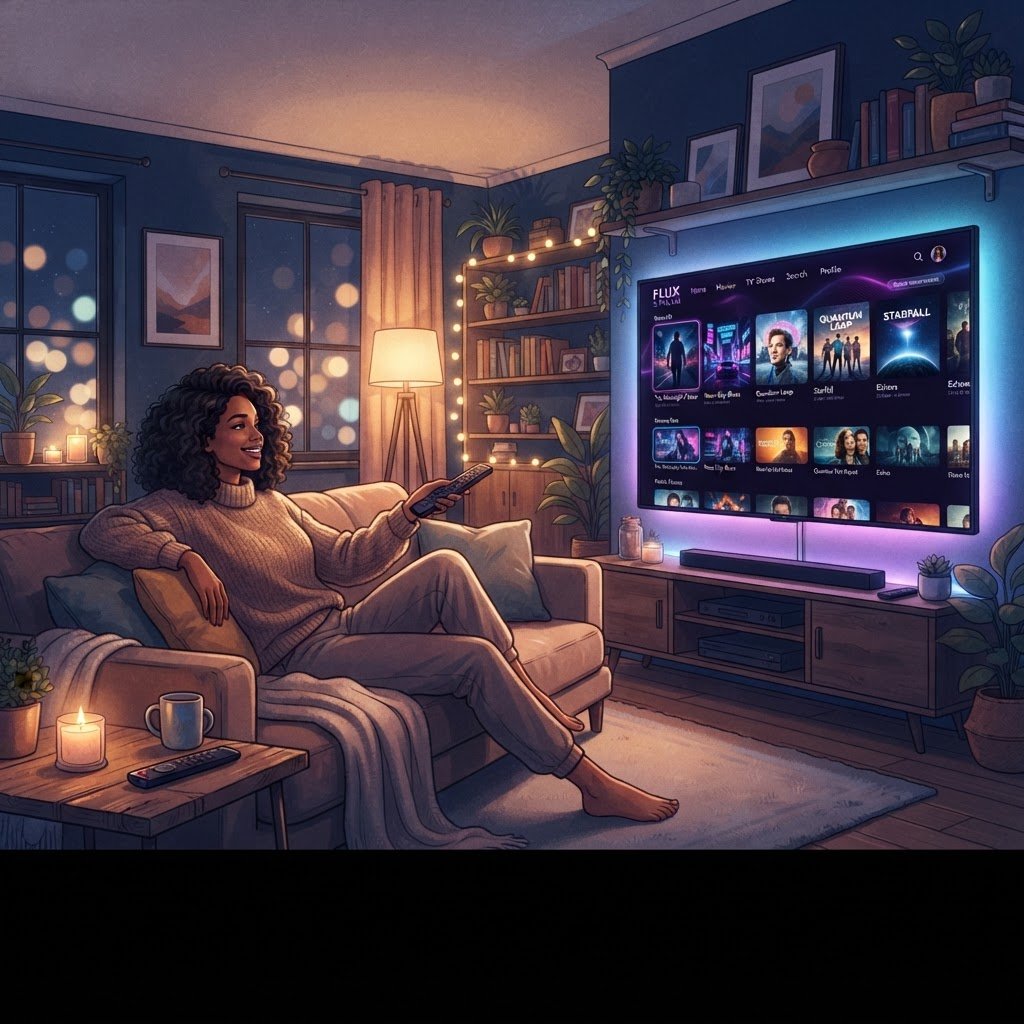
Streaming promised infinite choice and delivered something more complicated. With tens of thousands of titles available across multiple services, the experience of choosing has become its own form of exhaustion. People scroll for longer than they watch. They add things to watchlists they never return to. They start shows and abandon them after one episode.
Research on choice paralysis has long shown that an abundance of options can make decision-making harder, not easier. Streaming interfaces have become case studies in this phenomenon — vast libraries that paradoxically make people feel like there’s nothing to watch.
What Was Lost, What Was Gained
The old system of discovery was inefficient, inequitable, and often mediocre. It forced people to watch things they didn’t want to see because there was nothing else on. It privileged mainstream content over niche interests. It made the schedule king and the viewer subject.
But it also created shared moments. Water-cooler conversations. The collective experience of discovering something together, at the same time, and knowing that millions of others were discovering it too. That specific kind of cultural togetherness doesn’t happen in the streaming era — or when it does, it’s rare enough to feel like an event.
The Next Discovery
What’s emerging now is a hybrid model. Social platforms drive awareness. Algorithms handle personalisation. And a growing appetite for curation — real human curation, with taste and perspective — is filling the space between. Newsletters recommending films. Podcasts dissecting shows. Friends sharing watchlists. The discovery hasn’t disappeared. It’s just moved to where people actually are.
Streaming didn’t kill discovery. It just made it something we have to work a little harder for — and perhaps appreciate a little more when it happens.