A perspective piece from The Listening Market
The word vegan arrived in the public vocabulary carrying a lot of weight. It was not just a description of a diet. It was a declaration of a philosophy, an ethical stance, a political position. To say you were vegan was to say something about yourself that went far beyond what was on your plate. It meant you had made a choice, and you were willing to defend it, explain it, and sometimes endure the social friction it created. For decades, the label carried both pride and burden in equal measure.
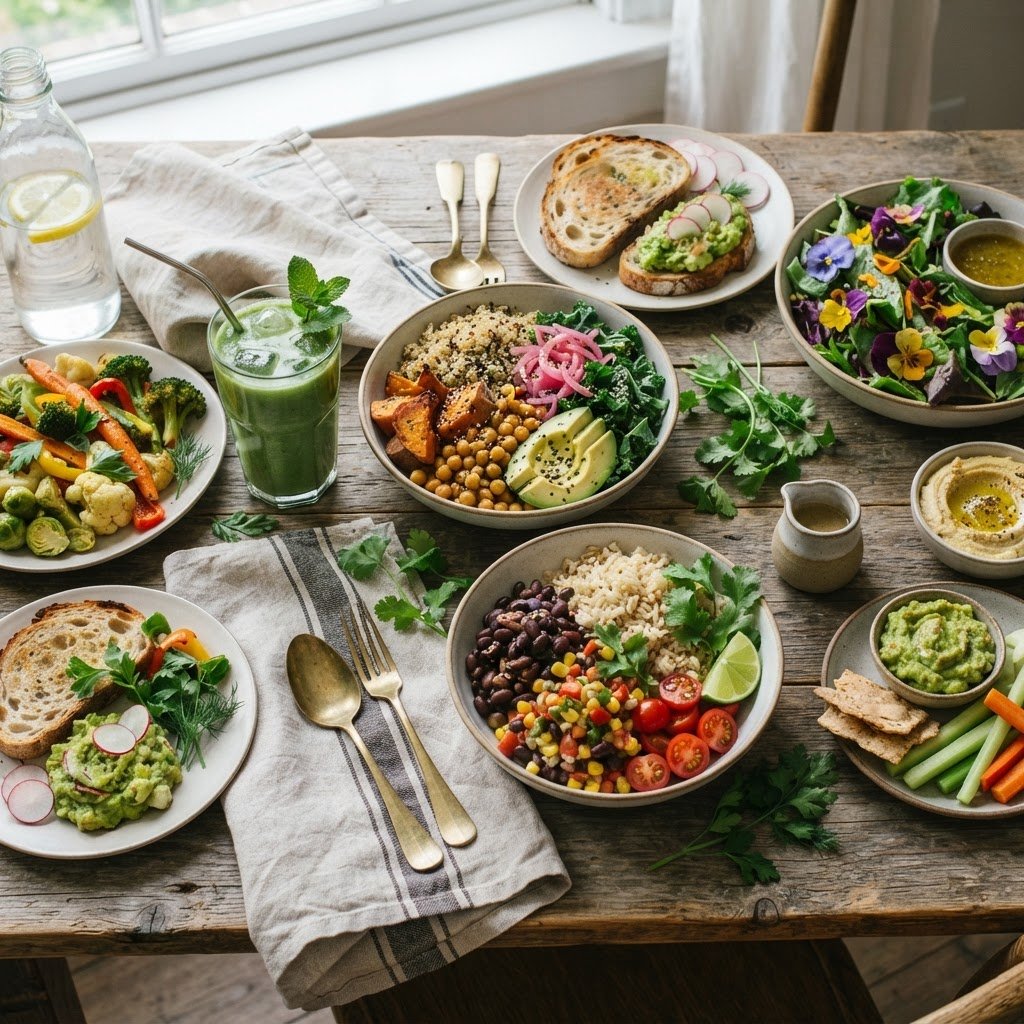
Something interesting is happening in 2026. The number of people eating predominantly plant-based meals is rising steadily, and the number of people calling themselves vegan is not rising at the same pace. A growing population of eaters is quietly shifting their habits without adopting the identity. They are not striving to eliminate animal products entirely. They are not attending vegan food festivals or reading manifestos about animal liberation. They are simply eating less meat, less dairy, and more plants, and they are not particularly interested in what that makes them.
This shift is significant because it changes the trajectory of plant-based eating from a movement to a trend. Movements require commitment, identity, and a willingness to stand apart. Trends require nothing more than the quiet adoption of a new pattern. The food industry, which has spent years trying to lure consumers towards plant-based options, is watching this development with a mixture of excitement and confusion. The consumers they always wanted are arriving. They just are not arriving on the terms the industry expected.
What Is Driving the Shift
The motivations behind the shift to plant-forward eating are tangled, but a few threads stand out. Health is the first. The research on the benefits of eating more plants, more fibre, more vegetables, less red meat, and less processed food has been accumulating for years. It is no longer controversial to say that a diet heavy in plants and light in animal products is associated with better long-term health outcomes. What has changed is not the science but the willingness of ordinary eaters to act on it. The message has finally crossed from the academic journal to the kitchen table.
The second driver is cost. Meat is expensive. It has been getting more so. The combination of feed costs, environmental regulation, and supply chain disruption has kept animal protein at the top of the grocery bill. Plants, by comparison, are cheap. A meal built around lentils, rice, and seasonal vegetables costs a fraction of one built around steak. For households watching their budgets, the plant-based shift is not an ethical statement. It is a financial one.
Taste is the third, and it is the one that has changed most dramatically. The plant-based products available in 2026 are not the dry, joyless substitutes of a decade ago. A wave of innovation in food science, fermentation, and culinary technique has produced plant-based options that are genuinely good. Oat milk is now the default in many cafes, not because customers are making a statement but because it tastes acceptable and works well in coffee. Plant-based sausages, mince, and even fish alternatives have reached a quality level where the taste is not a compromise. The food does not need an ethical argument to justify it. It stands on its own.
Convenience plays a role too. The range of plant-based ready meals, restaurant options, and quick recipes has expanded to the point where eating less meat is no longer more effort. Ten years ago, a person cutting back on meat had to cook most of their meals from scratch. In 2026, a busy professional can eat plant-forward all week without turning on a stove, through a combination of supermarket meals, restaurant delivery, and meal kits. The friction has been removed.
The Identity Gap
The decision not to adopt the vegan label is not accidental. For many eaters, the word carries baggage they do not want. Veganism, as it was presented to the public for years, implied a total commitment. It was a binary. One was either vegan or one was not. A person who ate a mostly plant-based diet but occasionally had a piece of fish was, in the eyes of the strict definition, not vegan. The label was a gate, and the gate was narrow.
The eaters shaping the current trend are not interested in gates. They are interested in meals. They want to eat well, feel well, and not be defined by what they had for dinner. The word flexitarian has been offered as a middle ground, but even that has a slightly clinical feel, as if a dietary preference requires a diagnostic label. Many people simply do not categorise themselves at all. They eat what they eat, and they do not feel the need to announce it.
This reluctance to adopt a label is, paradoxically, helping the plant-based category grow faster. A diet that requires a declaration is a diet that people will think twice about before starting. A diet that simply involves picking the lentil soup instead of the chicken sandwich is not a decision anyone has to agonise over. The lower the barrier to entry, the more people will enter. The plant-based movement spent years trying to convert people to a philosophy. The plant-based trend is succeeding by not asking for conversion at all.
How the Food Industry Is Responding
The food industry, always responsive to where the money is going, has noticed. The most visible response has been the proliferation of plant-based options on restaurant menus. Ten years ago, the vegetarian option was a single dish at the bottom of the page, often a pasta or a risotto. In 2026, many restaurants offer multiple plant-forward dishes, and some have menus that are entirely plant-based without advertising themselves as vegan. The distinction is important. A restaurant that says it is vegan is making a statement. A restaurant that simply serves good food, most of which happens to be made from plants, is making a meal.
Supermarkets have shifted too. The plant-based aisle, once a small section of strange-looking products, has merged with the mainstream. Oat milk sits next to cow’s milk. Plant-based burgers sit in the same chiller as the beef ones. The segregation is disappearing, and with it the sense that plant-based eating is a separate category of life.
The emerging language of food marketing reflects this blending. Products that once shouted their vegan credentials on the packaging are now described with words like plant-powered, vegetable-forward, or simply a list of ingredients. The absence of a vegan callout is not a retreat. It is a sign that the category has matured to the point where it does not need to shout to be heard.
What the Trend Means for Health and the Planet
The health and environmental implications of a broad shift towards plant-forward eating are substantial. Even a partial reduction in meat consumption across a large population has a measurable effect on greenhouse gas emissions, land use, and water consumption. The people driving this trend are not doing it for the planet, in most cases. They are doing it for taste, cost, and convenience. But the effect is the same. The road to a more sustainable food system may run not through ideology but through normalisation.
The health implications are equally significant. A population that eats more vegetables, more legumes, and less processed meat will likely see improvements in the rates of heart disease, bowel cancer, and type two diabetes. The change does not need to be total to be meaningful. A small per-person reduction across millions of people adds up to a large population-level effect.
The Quiet Revolution
The story of plant-based eating in 2026 is not the story of a movement. It is the story of millions of small, unannounced decisions made in cafes, supermarkets, and kitchens. The person who chooses a mushroom burger instead of a beef one is not making a statement. They are making a lunch. But the cumulative weight of those lunches is shifting the food system in a way that decades of advocacy could not.
The vegans who defined the category for years may feel that their identity is being diluted. They are right. The word is losing its sharp edges. But the practice, eating more plants and fewer animal products, is spreading faster than the word ever did. The label may fade. The food will not. In the end, what people put on their plates matters more than what they call themselves, and the plates are changing.