
A perspective piece from The Listening Market
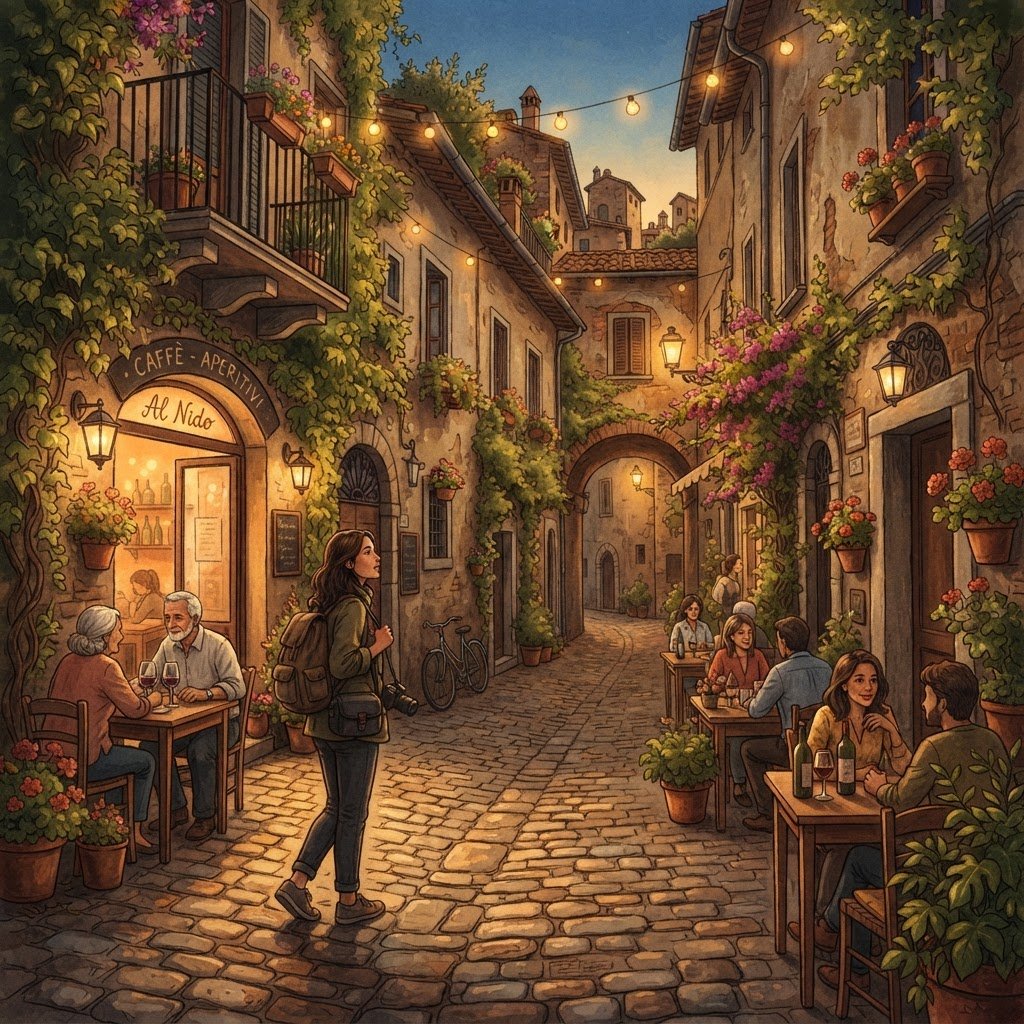
The first sign is usually a small doorway with a hand-written sign. A street that does not appear on the tourism map. A park or a viewpoint or a bookshop that exists on no list compiled by any visitor centre. These are the places that travel is mostly about, in the end, though they are the hardest to find. The brochure will not point to them. The popular review site will have them buried under fifty louder options. They have to be discovered through a combination of curiosity, patience, and a willingness to look in the wrong direction.
The instinct of most travellers is to follow the trail that previous travellers have worn smooth. The famous sites, the well-reviewed restaurants, the neighbourhoods that every guidebook agrees are worth seeing. There is nothing wrong with these places. They are usually famous for a reason. But they are also where every other traveller is, which means the experience of being there is partly an experience of the crowd. The search for hidden gems begins when the traveller decides that being somewhere interesting matters more than being somewhere approved.
The first tool for finding these places is not an app or a guidebook. It is a conversation. The person behind the counter at the corner shop, the bartender who has worked in the neighbourhood for a decade, the taxi driver who grew up in the city, these are the people who know where the actual city lives. Asking a simple question, where do you eat when you are not working, or what is your favourite part of this area, consistently produces recommendations that no search engine surfaces. This is because the places locals love are not optimised for being found by visitors. They do not have English menus or tourism signage or prime positions on a searchable map. They have a good cook and a steady clientele and no need to advertise. The conversation is the only way in.
The timing of the question matters. On arrival, when everything is new and overwhelming, is usually too early. The traveller has no context yet, no sense of the geography, no frame for the recommendation. The best moment is after a day or two, when the famous sites have been seen and the traveller has a sense of the layout. By then, the heat of first excitement has cooled enough to listen, and the recommendations land on terrain that has some shape to it.
Beyond conversations, there is the simple act of walking without a destination. This sounds aimless and inefficient, and it is, which is the point. Walking in a direction that looks interesting, rather than toward a pin on a map, leads through the parts of a city that exist between attractions. These in-between zones are where most of the actual life of a city happens. The laundry where people chat while their clothes spin. The park where children play after school. The cafe that opens at five in the morning for the shift workers and closes by noon. None of these places are destinations in the tourism sense, but they are where the texture of daily life can be felt, and they are often more memorable than the site that was queued for an hour to enter.
The map, it turns out, is both a tool and a trap. It shows what has been catalogued, which is what has already been found by others. The things that are not on the map are there because they have not been listed, which often means they have not been overrun. A useful approach is to use the map to get oriented and then to leave it behind, or to use it only for navigation back to a known point at the end of the day. The time spent looking at a screen is time not spent looking at the street. Hidden gems are hidden in part because they require being seen, not searched for.
Markets are consistently reliable places to find the kind of experience that gets remembered. Not the markets that are listed as tourist attractions, which tend to sell the same souvenirs at slightly different prices, but the markets where the food is unfamiliar, the signs are in the local language, and the pace is unhurried by the presence of tourism. These markets tell a story about what people here actually eat, how they shop, how they talk to each other. They are not curated. They are lived. Finding them usually requires asking and walking a bit further from the centre than is comfortable, but the reward is an experience that cannot be replicated by anyone following the same itinerary.
There is also something to be said for visiting during off-hours. Early mornings, when the city belongs to the people who live there rather than the people visiting. Late evenings, when the day-trippers have departed and the streets narrow and quiet. These are the times when a place shows its own character rather than its performance for visitors. The cafe that is full of regulars at seven in the morning, the square that fills with families after dinner, the bakery that sells out by nine, these scenes are available only to the traveller who adjusts their rhythm to the city rather than adjusting the city to their itinerary.
The discomfort of not knowing where to go is part of the process. The instinct to plan, to research, to arrive with a list, is strong and not entirely wrong. Planning prevents some real problems. But overplanning eliminates the space in which discoveries happen. A traveller who has every hour accounted for has no room for the detour that turns into the highlight of the trip. The willingness to leave gaps, to have an afternoon with nothing scheduled, is what creates the opportunity for the hidden gem to reveal itself. The gem does not appear on demand. It appears when the schedule allows for surprise.
Social media has changed the landscape of discovery in ways that cut both ways. On one hand, a post about a small restaurant or a quiet viewpoint can bring it to wider attention and help a local business thrive. On the other hand, the same post can transform a hidden spot into a destination within weeks, replacing the quiet that made it appealing with a crowd that did not exist before. The traveller looking for genuine hidden gems has to look past the posts and toward the places that have not been posted yet. This is increasingly a matter of going deeper, beyond the first page of results, beyond the hashtags, into the territory that is documented only in the local language or not at all.
The ultimate reward of this approach to travel is not a list of obscure locations to recount. It is a different relationship with the place being visited. When the famous sites are balanced with the everyday ones, when the itinerary includes time for wandering and asking and sitting, the city stops being a collection of attractions and starts being a place where people live. The traveller who finds a hidden gem has not found a secret. They have found a thread of connection to a city that most visitors never pull. And the thread, once pulled, leads to a kind of travel that feels less like consumption and more like genuine encounter.




