
A perspective piece from The Listening Market
Fashion trends usually burn out fast. They arrive loud, dominate feeds for six weeks, and disappear into the closet of regret. But Balletcore is doing something different. It showed up quietly, built momentum without anyone deciding it was “the next big thing,” and now it’s everywhere — not as a costume, but as the way people actually want to dress.
If you’ve noticed more ballet flats on the street, more wrap cardigans in your feed, more ribbons in hair than seems reasonable for adults — that’s not a coincidence. Balletcore has arrived, and unlike most viral aesthetics, it’s sticking.
Where Balletcore Came From
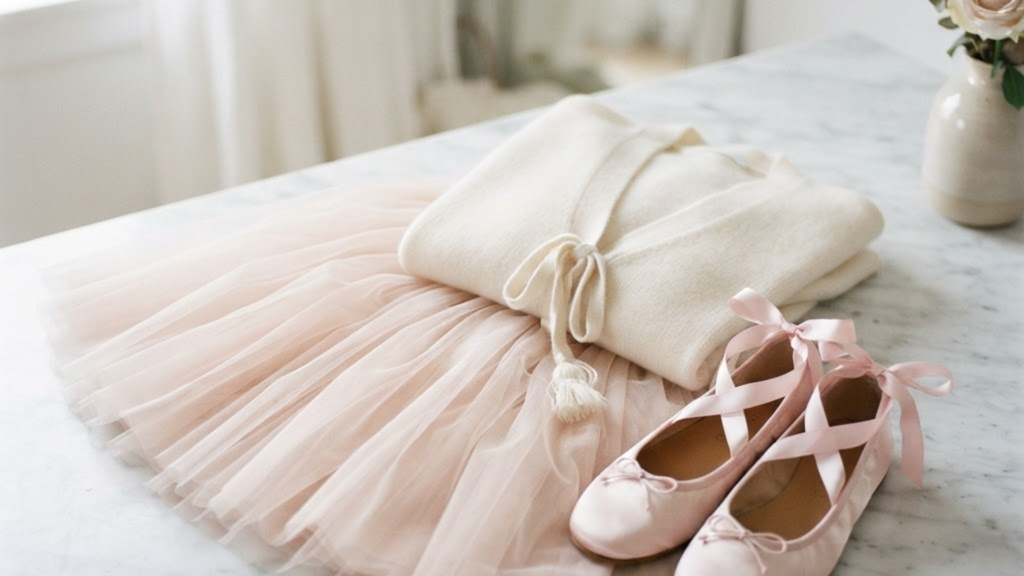
The aesthetic first surfaced on TikTok back in 2022 — all pastel tulle, satin ribbons, and ballet-flats-with-socks. It was pretty. It was also a bit theatrical. The kind of trend that looks amazing in a curated flatlay but feels slightly absurd on a Tuesday morning.
But according to Who What Wear, Balletcore came back — and this time it’s different. Less costume, more closet. The 2026 version isn’t about dressing like a ballerina. It’s about borrowing the feeling: soft, graceful, deliberate, and comfortable. The theatrical elements faded. What stayed were the pieces people actually want to wear.
Why Balletcore Works When Other Trends Don’t
Most viral fashion trends fail the “Tuesday test.” You know — would you actually wear this on a random Tuesday while buying groceries? Balletcore passes. The core pieces are genuinely comfortable and genuinely wearable.
Ballet flats are easier to walk in than sneakers and look more intentional. Wrap cardigans are flattering, adjustable, and work over almost anything. Pastels are soft on the eye and easy to mix. Ribbons are a small detail that makes an outfit feel considered without trying too hard.
The whole aesthetic sits in a sweet spot: it looks like you made an effort, but it doesn’t feel like you’re performing. That’s rare in fashion right now. So much of the current trend cycle is about extremes — oversized everything, or tiny everything, or maximum color, or zero color. Balletcore is the opposite of extreme. It’s quiet. And that might be exactly why people are gravitating toward it.
The Pieces That Define the Movement
Balletcore isn’t one look. It’s a collection of elements that people mix into their own style. A few have become signatures.
Ballet flats replaced sneakers as the go-to casual shoe. Not because sneakers stopped being comfortable, but because flats feel more polished. You can wear them with jeans, with skirts, with dressier outfits — they’re versatile in a way sneakers aren’t.
Wrap silhouettes — wrap tops, wrap skirts, wrap dresses — became the shape of the year. They’re flattering on different bodies, adjustable, and they carry that ballet-studio energy without looking like a costume.
Tulle moved from the stage to the street. Not full tutus, but tulle overlays, tulle skirts paired down with simple tops, tulle details that add texture without overwhelming. The trick is keeping it grounded — one tulle piece, not a full outfit.
And then there are the ribbons. Ribbon-laced flats. Ribbons tied in hair. Ribbon belts. It’s a small touch, but it’s the detail that makes an outfit feel Balletcore rather than just “soft.” When you see it, you know.
The Tension Nobody Talks About
Here’s the uncomfortable part. Balletcore borrows from a world that’s deeply disciplined and physically punishing. Ballet is beautiful, but it’s also brutal — years of training, physical toll, and an aesthetic standard that’s famously unforgiving.
The fashion trend treats ballet purely as visuals. Soft fabrics, pretty colors, graceful lines. It doesn’t carry the weight of what ballet actually demands from dancers. Some people in the dance world have embraced the trend as a celebration of ballet’s beauty. Others have pointed out that it romanticizes something far harder than ribbons and pink shoes.
Both perspectives make sense. It’s possible to appreciate the aesthetic without pretending it represents the full reality of ballet. But it’s worth acknowledging — especially as the trend grows — that there’s more to ballet than what ends up on a mood board.
Is Balletcore Going to Last?
Our honest read: Balletcore has more staying power than most viral trends because it’s built on pieces people genuinely want to wear. Unlike trends that require discomfort or impracticality, the core of Balletcore — flats, soft knits, wrap shapes, pastels — is wearable by design.
The more theatrical elements will probably fade. Full tulle skirts, leg warmers with everything, head-to-toe pastel — those are the parts that feel like a costume. What sticks will be the integrated version: a pair of ballet flats instead of sneakers, a wrap cardigan in a soft color, a ribbon where a scrunchie used to be. Small changes. Lasting ones.
If the trend continues to evolve, Balletcore won’t remain the dominant look — trends don’t work that way. But it’ll settle into a permanent corner of fashion. The thing people reach for when they want to feel soft, feminine, and a little bit dreamy. Not every day. But when the mood calls for it.
And honestly, there’s something nice about that. A trend that doesn’t demand you change your whole wardrobe — just invites you to add a little grace to it.
For more perspectives on what’s shaping culture, check out our thoughts on how science is rethinking the future.
This piece reflects the perspective of The Listening Market — not fashion advice or data-backed analysis. Just our honest read on why people are dressing a little softer these days.