
A perspective piece from The Listening Market
There was a time when bragging about how little sleep someone got was practically a competitive sport. Business executives boasted about functioning on four hours. Entrepreneurs treated exhaustion like a badge of honour. Sleep was what lazy people did, or at least that was the cultural message that echoed through boardrooms and group chats alike.
Something has shifted. The new flex is not how late someone stayed up or how early they dragged themselves out of bed. It is the opposite. The people commanding respect now are the ones who talk about their eight hours, their wind-down routine, their Oura ring scores. Sleep has become the new status symbol, and the reversal says something profound about where priorities are heading.
The cultural turnaround did not happen overnight. It built slowly, fueled by a growing mountain of research linking poor sleep to nearly every health problem imaginable. Heart disease, cognitive decline, weakened immunity, weight gain, anxiety — the list goes on. Scientists have been sounding the alarm for years, but it took a while for the message to penetrate a culture that worshipped at the altar of productivity.
What finally tipped the scales was a combination of high-profile advocates and consumer technology. When athletes like LeBron James publicly prioritised sleep as a core part of their training, people paid attention. When tech companies began selling sleep trackers that turned rest into a quantifiable metric, sleep became something you could optimise, improve, and yes, show off about.
The irony is thick. The same culture that once celebrated sleep deprivation now celebrates sleep optimisation with equal intensity. But underneath the trendiness, there is a genuine shift in understanding. People are realising that sleep is not time wasted. It is the foundation everything else rests on.
Consider the way sleep is talked about now compared to a decade ago. Wellness podcasts dedicate entire episodes to it. Books about sleep top bestseller lists. Sleep hygiene has entered the everyday vocabulary. People discuss their bedroom temperature, their blackout curtains, their magnesium supplements, with the same enthusiasm once reserved for discussing stock tips or real estate.
The tracking phenomenon deserves attention. Devices like the Oura Ring, Whoop strap, and Apple Watch have transformed sleep from an invisible activity into a daily report card. People check their sleep scores the way they used to check email first thing in the morning. A good score is a source of pride. A bad score is a reason to reflect and adjust.
Whether this quantification is entirely healthy is debatable. There is a fine line between awareness and anxiety, and some sleep experts have expressed concern that tracking can create its own form of stress — orthosomnia, an unhealthy obsession with getting perfect sleep. The paradox of lying awake worrying about why the sleep score might be dropping is not lost on the researchers studying this phenomenon.
But even setting the gadgets aside, the broader cultural re-evaluation of sleep is a positive development. For too long, rest was framed as the enemy of achievement. The research has always been clear that the opposite is true. Well-rested people think more clearly, react faster, make better decisions, and regulate their emotions more effectively. Sleep is not the opposite of productivity. It is the precondition for it.
The workplace is slowly catching up. Some progressive companies have begun emphasising sleep as part of their wellness programmes. A few have even installed nap rooms. The change is modest, and in many cases more performative than substantive, but the direction matters. The cultural script is being rewritten.
Part of what makes sleep a status symbol now is that good sleep has become something of a luxury. In a world of constant notifications, demanding jobs, and economic pressure, the ability to protect eight hours of rest is itself a form of privilege. It signals that someone has enough control over their life to prioritise recovery. It says: things are manageable enough that rest is possible.
That dimension of the trend is worth sitting with. Not everyone can simply choose to sleep more. Shift workers, parents of young children, people working multiple jobs — the list of people for whom eight hours is a fantasy is long. When sleep becomes a status symbol, it also becomes a marker of who has the resources to slow down.
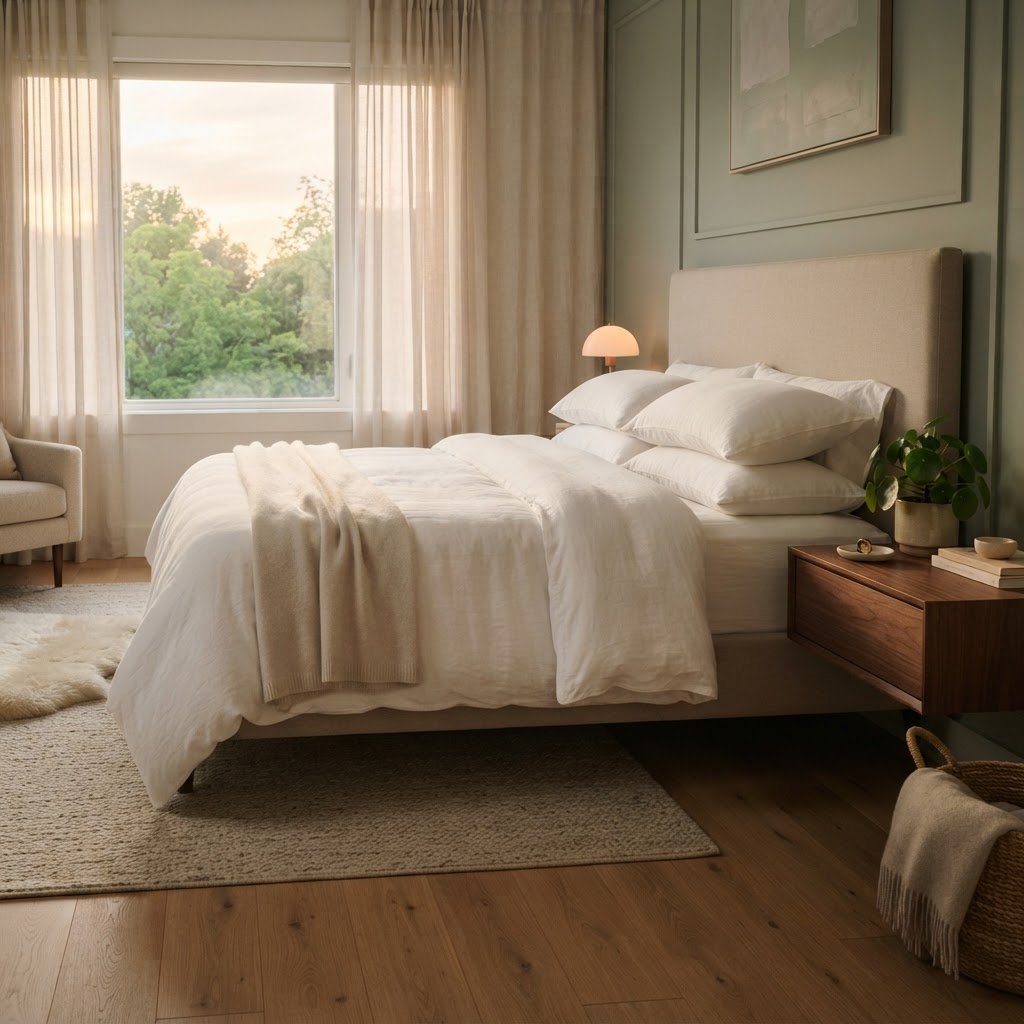
There is also something to be said about the aesthetics of sleep culture. The Instagrammable bedroom — minimalist decor, linen sheets, a diffuser on the nightstand — has become a visual shorthand for a life under control. The message is not just about rest but about curation. Sleep, like everything else, has been styled.
The wellness industry has capitalised on this enthusiasm. The market for sleep products has exploded. Mattresses that cost thousands. Weighted blankets. Silk pillowcases. Sleep teas. Mouth tape. Red light therapy devices. The list grows longer every year, and while some of these products have genuine benefits, others are solutions in search of a problem.
The fundamental advice has not changed. A cool, dark, quiet room. A consistent schedule. Limited screens before bed. Moderate caffeine intake, especially in the afternoon. Regular exercise. These basics are free, and they remain more powerful than any gadget or supplement. But basics are not exciting, and they do not photograph well for social media.
Still, even if the execution is sometimes misguided, the underlying shift is meaningful. A culture that takes sleep seriously is healthier than one that does not. The fact that teenagers are now talking about sleep hygiene instead of glorifying all-nighters is a genuine improvement. The fact that employers are beginning to acknowledge that tired employees are not productive employees is progress.
The challenge will be maintaining the substance as the trend evolves. Sleep should not become just another arena for performance. The goal is not a perfect score on a tracking app. The goal is waking up feeling rested, clear-headed, and ready for the day. That feeling is something no device can fully capture.
There is also the question of what comes next. If sleep is the status symbol of the mid-2020s, what replaces it? Some wellness observers suggest that the next frontier might be something even more fundamental — boredom, stillness, the ability to do nothing. If that sounds absurd, it is worth remembering that the idea of sleep being celebrated once sounded equally absurd.
The trajectory is clear. After decades of treating the body as a machine that could be pushed indefinitely, there is a growing recognition that human beings have limits, and those limits are not weaknesses. They are features. Sleep is the most basic expression of that recognition — a daily act of surrender that keeps everything else functioning.
What makes the sleep-as-status-symbol trend genuinely interesting is not the gadgets or the products or the influencers. It is the underlying re-evaluation of what it means to live well. For a long time, the answer was more — more work, more output, more activity. Sleep culture is part of a broader counter-movement that says maybe the answer is less. Less stimulation. Less pressure. More rest.
Whether this movement endures or becomes another wellness fad remains to be seen. But for now, the message is a healthy one. Rest matters. Recovery is not laziness. And the best thing anyone can do for their brain, their body, and their life might be the simplest: go to bed on time.
The old boasts about sleep deprivation sound increasingly out of touch, like someone proudly announcing they never drink water. The new culture says something different: sleep is sacred, and the people who protect it are the ones worth watching.




