
A perspective piece from The Listening Market
There is a particular kind of dread that comes with watching water rise in a sink that refuses to drain. It starts as a minor inconvenience, a slow swirl where there should be a swift disappear, and then it builds. The water pools. The air takes on a faint, unpleasant edge. Suddenly an ordinary Tuesday evening has turned into a plumbing emergency, and the only thing standing between a functional kitchen and a very expensive phone call is whatever might be lurking unseen inside the pipes beneath.
Blocked drains are one of those household problems that almost never arrive without warning. The signs are there long before the water stops moving, quiet and easy to ignore until they are not. And yet most people only think about their drains when something has already gone wrong. The truth is that preventing a blocked drain is far simpler, cheaper, and less stressful than dealing with one after the fact. It comes down to understanding what causes blockages in the first place and building a few small habits that keep things flowing.
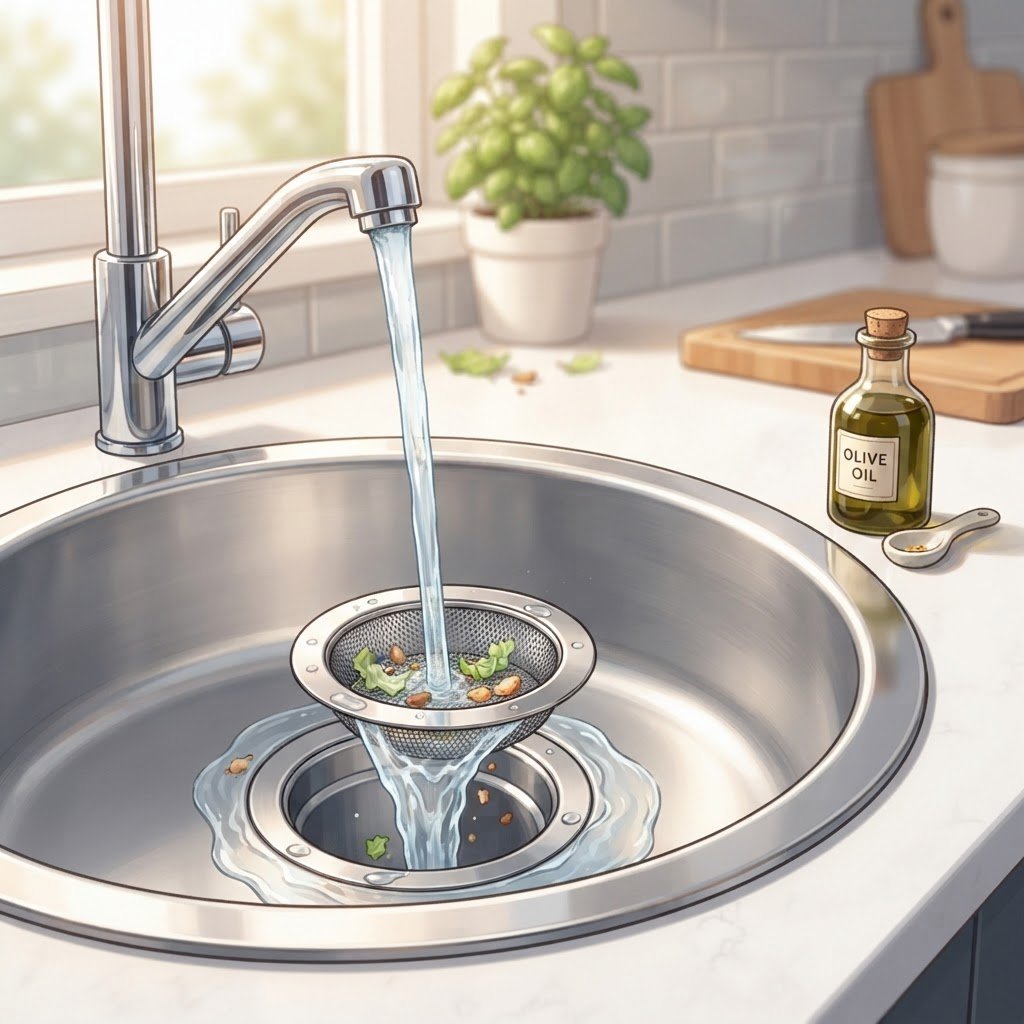
The kitchen sink is where most drain problems begin, and the culprit is almost always a combination of grease and food scraps. Cooking oil seems harmless enough when it is warm and liquid, sliding down the drain without a trace. But as it cools inside the pipes, it solidifies. It coats the interior walls, narrowing the passage bit by bit. Over weeks and months, that layer thickens, catching food particles that would otherwise pass through. The result is a slow-building obstruction that one day simply decides it has had enough.
The fix is straightforward but requires a shift in habit. Instead of pouring oil down the drain, let it cool and scrape it into a container. An old jar or a piece of foil works perfectly. Food scraps, too, belong in the compost or the bin, not the sink. Even with a garbage disposal unit, it is wise to be selective. Starchy foods like potato peels and rice can swell and form a paste-like mass that clings to pipe walls. Fibrous vegetables like celery and onion skins can tangle around disposal blades and create stubborn clogs further down the line.
The bathroom presents its own set of challenges, and here the primary offender is hair. Every shower, every wash, strands of hair slip down the drain largely unnoticed. Over time they accumulate, mixing with soap scum and conditioner residue to form a dense, slow-moving mat that restricts water flow. The solution is simple and inexpensive: a drain guard or hair catcher placed over the shower drain. These small mesh or silicone covers cost very little and can be emptied into the bin after each shower. It is the kind of unglamorous habit that saves an enormous amount of trouble down the line.
Soap itself contributes more to drain blockages than most people realise. Bar soap in particular leaves a waxy residue that builds up over time, especially in combination with hard water. The minerals in hard water react with soap to form a substance known as soap scum, a chalky film that adheres to pipes and fixtures. Switching to liquid body wash or shower gel can reduce this buildup significantly. For households in hard water areas, a periodic descaling flush can help. Pouring a large kettle of near-boiling water down the drain once a week helps dissolve soap residue before it has a chance to accumulate into something more serious.
There is a common temptation when a drain begins to slow: reach for a chemical drain cleaner. These products promise fast results, and they often deliver, but at a cost that is not always immediately visible. The harsh chemicals in many commercial drain cleaners, typically sodium hydroxide or sulphuric acid, work by generating heat and dissolving organic matter. While this can clear a partial blockage, it can also damage older pipes, particularly those made of PVC or metal that has already begun to corrode. Repeated use weakens pipe joints and can lead to leaks that are far more expensive to repair than the original blockage.
A gentler and equally effective approach uses ingredients that most households already have on hand. Baking soda and white vinegar, used together, create a fizzing reaction that can help break down light buildup and freshen the drain at the same time. The method is simple. Pour half a cup of baking soda down the drain, followed by half a cup of vinegar. Cover the drain with a plug or a plate and let the mixture sit for fifteen to twenty minutes. Then flush with a kettle of hot water. Doing this once a month keeps drains fresh and helps prevent the kind of gradual accumulation that leads to full blockages.
For bathroom sinks, another often overlooked source of trouble is toothpaste. While it seems innocuous, toothpaste can harden inside pipes and contribute to the same kind of slow buildup as soap scum. Running the tap for a few extra seconds after brushing helps ensure that residue is fully flushed through rather than settling in the trap beneath the sink.
The U-bend, or P-trap, beneath sinks is designed to hold a small amount of water that prevents sewer gases from entering the home. It is also the place where most blockages occur, because its curved shape naturally catches debris. Cleaning the P-trap periodically is one of the most effective preventative measures available. Placing a bucket beneath the trap, unscrewing the two slip nuts, and removing any accumulated gunk takes only a few minutes and requires no special tools. Reassembling is just as simple, and the improvement in drainage is often immediate.
Outdoor drains and gutters deserve attention as well. Leaves, dirt, and garden debris can wash into storm drains during rain and create blockages that cause water to pool around the home. Keeping gutters clear, especially during autumn, and installing a simple mesh cover over outdoor drain grates prevents the bulk of this material from entering the system.
There are also a few things that should never go down any drain, regardless of how powerful the disposal or how wide the pipe. Coffee grounds are a frequent offender. They do not dissolve, and they tend to settle and compact inside pipes, creating a dense mass that is remarkably difficult to shift. Wet wipes, even those marketed as flushable, do not break down the way toilet paper does and are one of the leading causes of serious blockages in both household and municipal systems. Cotton buds, dental floss, and sanitary products should always go in the bin.
For households with older plumbing, it is worth being extra cautious. Pipes that have been in place for decades may have accumulated decades of buildup, and their joints may be more fragile than they appear. In these cases, prevention is not just about habits but about awareness. If multiple drains in the home are slow at the same time, the issue may be further down the line, in the main sewer connection. This is the point at which a professional plumber becomes the right call, rather than a last resort.
Regular professional inspection is not something most people think about until there is a problem, but for older homes or properties with large trees nearby, it can be a wise investment. Tree roots are drawn to the moisture inside underground pipes and can infiltrate through tiny cracks or joints, gradually expanding and eventually causing serious blockages. A plumber with a drain camera can identify these issues before they become emergencies, and root-cutting or pipe relining can resolve them without the need for excavation.
The change of seasons also plays a role in drain health that is often overlooked. In colder months, pipes located in exterior walls or unheated spaces can be vulnerable to freezing. When water inside a pipe freezes, it expands, and the pressure can cause cracks or even bursts that may not become apparent until the ice thaws. Insulating exposed pipes, particularly in garages, under floors, and in roof spaces, is a straightforward preventative measure. Foam pipe insulation is inexpensive, easy to install, and can prevent the kind of damage that leads to both blockages and leaks. During particularly cold spells, leaving a tap slightly running can also help, as moving water is less likely to freeze.
For those living in apartment buildings or shared housing, the dynamics are different but the principles remain the same. Shared drainage systems mean that one resident’s habits can affect everyone. A blockage in a common pipe can cause backups in multiple units, and identifying the source can be difficult and contentious. In these settings, clear communication about what should and should not go down drains is not just courtesy but practical necessity. A simple note in a shared kitchen or bathroom, reminding everyone to use drain guards and avoid pouring oil down the sink, can prevent a great deal of collective misery.
The underlying principle behind all of this is simple. Drains are not bins. They are designed to carry water and very little else. Everything that enters a drain beyond that basic function is a potential problem, and over time those small problems compound. The difference between a home where drains work reliably for years and one where blockages recur regularly is rarely about luck or plumbing quality. It is about habits.
A drain guard in the shower. A jar for cooking oil by the stove. A monthly baking soda flush. A periodic clean of the P-trap. These are small actions, none of them complicated or costly, and together they form a routine that keeps water moving and plumbing bills at bay. The alternative, waiting until the water rises and the smell arrives, is always more expensive, more disruptive, and entirely avoidable.
Prevention, in the end, is just attention paid before something goes wrong. And when it comes to drains, a little attention goes a long way.




