
A perspective piece from The Listening Market
There was a time when opening an email inbox first thing in the morning felt like pulling the pin on a grenade. Hundreds of unread messages, dozens marked urgent that were not, a tangle of newsletters no one remembered subscribing to, and somewhere buried in the middle, a note from a client that actually mattered. For the better part of two decades, email was the chore that never ended, the task that expanded to fill whatever time was left at the end of the day. And then, quietly, something shifted.
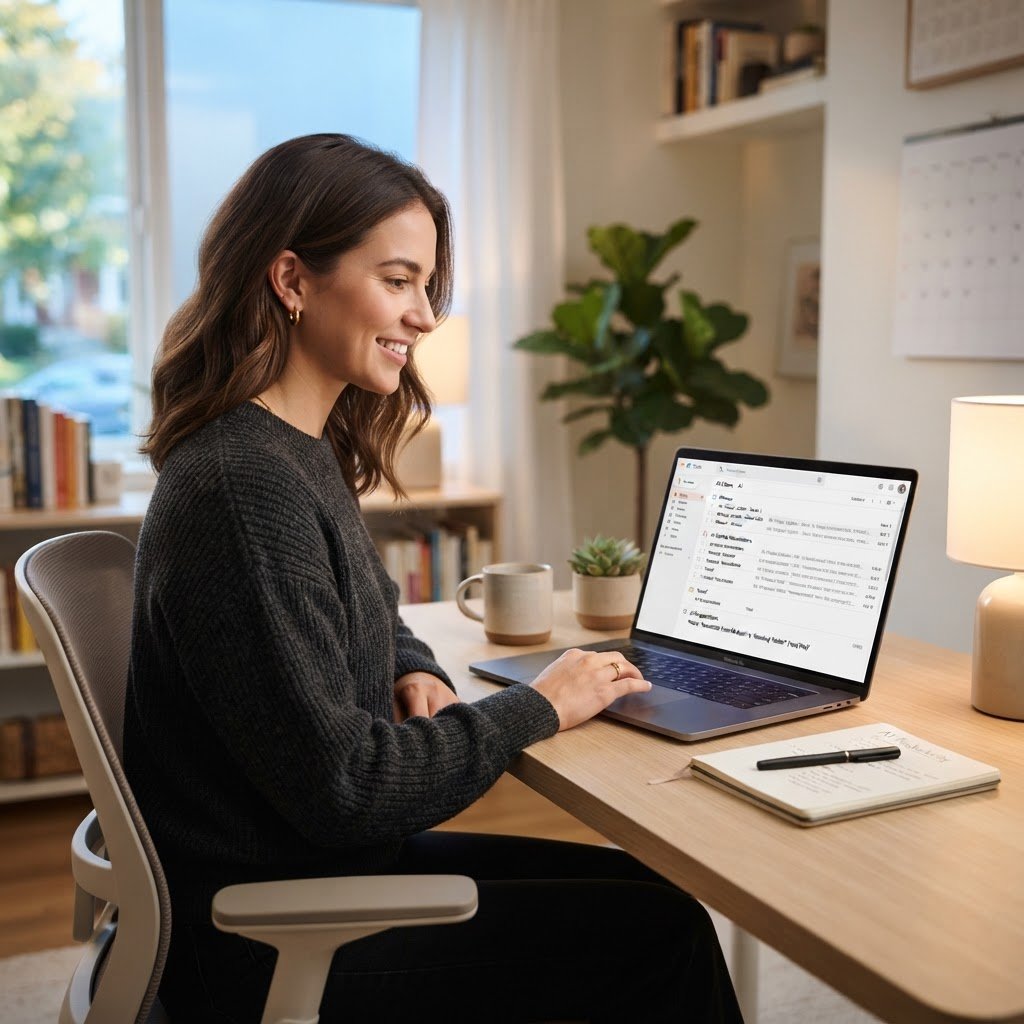
In 2026, more people than ever are handing the keys to their inbox over to artificial intelligence. Not in a dramatic, science-fiction way. There is no robot sitting at a desk typing replies. Instead, it is something far more mundane and, for that reason, far more transformative. AI is sorting the important from the noise, drafting responses in the tone of the sender, flagging messages that need a human touch, and quietly filing away everything else. The inbox, once a source of daily dread, is becoming something people barely think about at all.
The shift did not happen overnight. Email management tools powered by AI have been creeping into workplaces and personal lives for several years now, but 2026 feels like the tipping point. The technology has matured to a degree where the results are genuinely good. AI can read an incoming message, understand its intent, categorise it, suggest a reply, and learn from corrections. What used to take an hour of triage now takes minutes, and in many cases, no time at all.
Part of what is driving this change is sheer volume. The average office worker receives somewhere between 120 and 150 emails a day. That number has been climbing steadily, and the cognitive load of managing it has become unsustainable. People are not just tired of email. They are exhausted by the constant low-level anxiety of knowing there is always something unread, always something waiting. AI offers a way to offload that anxiety without losing control. The messages still get answered, but the mental tax of sorting through them is gone.
What makes 2026 different from earlier attempts at email automation is the quality of the AI itself. Previous generations of email filters were blunt instruments. They could sort into folders based on keywords, flag messages from certain senders, and not much else. The results were often frustrating, with important emails landing in spam and newsletters clogging up the primary tab. Today’s AI tools are working with a level of understanding that feels almost human. They can distinguish between a client asking a genuine question and a vendor sending a generic pitch. They can tell the difference between a meeting confirmation that needs a simple yes and a contract negotiation that needs careful attention. And they can draft replies that sound like the person they are writing for, not a robot approximating one.
The privacy question looms over all of this, and rightly so. Letting an AI read your email means letting it see the contents of your professional and personal life. The companies building these tools have had to work hard to earn trust, and not all of them have succeeded. But the people adopting AI email management in 2026 are, by and large, making a calculated trade-off. They are deciding that the hours saved and the mental space freed are worth the exchange, provided the tool they choose is transparent about how it works and where the data goes. The best tools on the market now process email locally where possible, or offer clear guarantees about how long data is retained and who can access it. Trust, it turns out, is the real product.
For small business owners and freelancers, the appeal is especially strong. These are people who often wear every hat in the business, and email is the one task that eats into every other part of the day. An AI tool that can handle routine correspondence, draft proposals, follow up with clients, and keep the inbox from becoming a graveyard of unread obligations is not just a convenience. It is a competitive advantage. A solopreneur who spends thirty minutes on email instead of three hours has two and a half hours to put toward the work that actually moves their business forward. That is not a small thing.
There is also a cultural element at work. The pandemic accelerated the normalisation of digital tools in every part of life, and the boundary between work and personal technology has never been blurrier. People who already use AI to plan their weeks, generate ideas, and manage their calendars are not making a huge leap to let it handle their email too. It is simply the next logical step in a process that has been unfolding for years. The question has shifted from whether AI should be involved in personal productivity to how much of it people are comfortable delegating.
Not everyone is on board, of course. There is a vocal contingent of people who see email as something that should remain fundamentally human. They worry about tone, about nuance, about the small personal touches that make a message feel like it came from a real person rather than a machine. These concerns are valid, and the best AI tools account for them by keeping the human in the loop. The AI drafts, the person reviews, and the send button stays firmly in human hands. The goal is not to remove people from their own communication but to remove the friction that makes communication feel like a burden.
Some of the most interesting developments are happening in the space between personal and professional email. People are using AI to manage their personal correspondence in ways that would have seemed absurd a few years ago. An AI that can sort through school communications, flag the ones that need a response, draft a reply to the teacher, and remind the parent to send it on Monday morning is doing something genuinely useful for people whose lives are already overfull. The same tool that helps a freelancer manage client emails can help a parent manage the relentless stream of school notices, appointment reminders, and community updates that pile up in a personal inbox.
The workplace implications are still being worked out. Companies are grappling with questions about consent, transparency, and accountability when AI is involved in business communication. If an AI drafts a reply that contains an error, who is responsible? If an AI sorts emails and misses something important, where does the liability sit? These are not abstract questions. They are being asked in offices and boardrooms right now, and the answers will shape how AI email management evolves over the next few years. For the moment, most organisations are taking a cautious approach, using AI as a assistive tool rather than an autonomous one, and keeping human oversight firmly in place.
Looking ahead, it is not hard to see where this is going. The inbox of 2027 may look nothing like the inbox of 2025. Email may become something that happens in the background, handled almost entirely by AI, with humans stepping in only for the messages that genuinely require their attention. The idea of spending an hour a day sorting through email may come to seem as quaint as manually rewinding a cassette tape. The technology is moving fast, and the cultural acceptance is moving with it.
What remains to be seen is whether the time freed up by AI email management gets used well. If people spend the hours they save scrolling through social media or taking on more work, the benefit is illusory. But if those hours get reinvested into deeper work, into creative thinking, into the kinds of activities that machines still cannot do, then the shift will have been worth it. Email, for all its flaws, was never really about the messages. It was about the time and attention they consumed. And that, more than anything, is what people are getting back.
The inbox is not dead. But it is no longer the boss. And for millions of people in 2026, that is more than enough reason to let the machines take over.




