A perspective piece from The Listening Market
There is a particular kind of tiredness that arrives on the second day of a holiday, when the hotel room has stopped feeling novel and started feeling like an expensive box. The bed is fine, the walls are clean, the kettle works, but nothing in the room belongs to a life. Breakfast is a transaction, the mini bar monitors every indulgence, and the neighbourhood beyond the window remains a stranger. It is around this point that a growing number of travellers have begun to ask the quietly radical question behind the rise of house swaps: what if the best place to stay on holiday is simply somebody else’s home, while they stay in yours?
The idea itself is older than the platforms that popularised it. Families have been trading houses through classified ads and school notice boards for decades, arranging July in somebody’s lakeside cottage against February in somebody’s city flat. What has changed is the machinery of trust. Modern swap services verify identities, collect reviews from both sides of every exchange, secure deposits, and structure agreements the way short-stay rental platforms taught them to. The screen that once made strangers feel distant now makes strangers feel vouched for, and that single shift has turned a fringe practice into a quietly booming way to travel.
Money is the headline attraction, and there is no point pretending otherwise. Accommodation is usually the largest line in any travel budget, and a swap erases it. The family that trades its suburban home for a flat near a European old town effectively pays nothing for a fortnight’s stay, apart from cleaning and the small fees of the platform that arranged it. In an era when travel costs have crept upward year after year, the arithmetic of a swap is almost startling: the same trip, in a home with a kitchen and a washing machine and space to spread out, for a fraction of the outlay. Against the rising nightly rates of hotels and short-stay listings, staying for free in a real home begins to look less like a compromise and more like a cheat code.
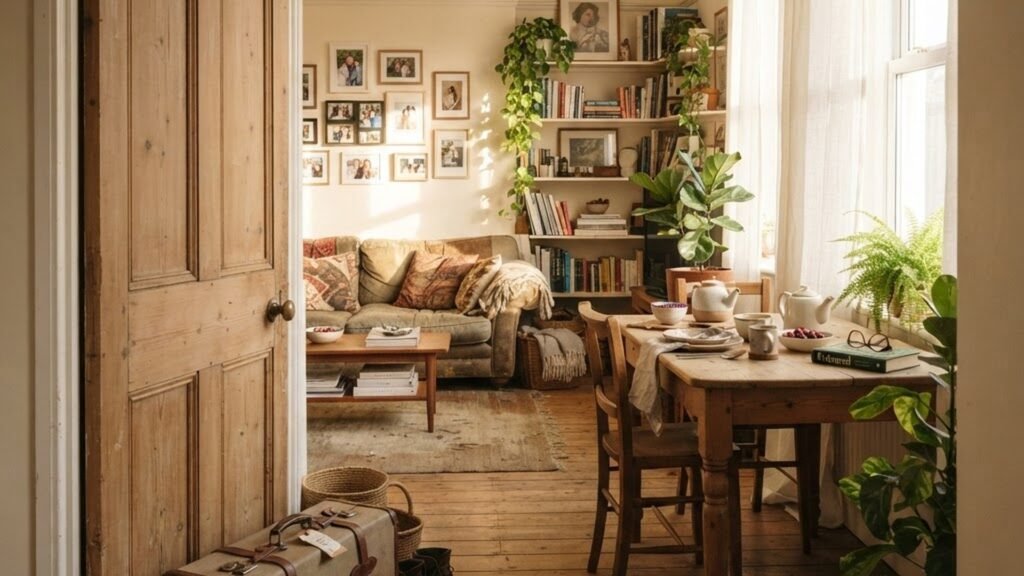
But cost alone does not explain the devotion that swapped houses inspire, because the experience itself is different in kind from a stay in commercial accommodation. A swapped home already works. There is a kitchen with the right knife, a dining table with small marks of use, bookshelves you can read like a biography of their owners, a collection of local condiments in the door of the fridge. Travellers wake in a neighbourhood rather than a tourist district. They learn which bakery smells best by seven in the morning, which park fills with dogs and prams, which busker has claimed the corner by the bookshop. The swap does not simply house a holiday; it lends the traveller a temporary share in an ordinary life somewhere else.
Families, in particular, have taken to the arrangement with an enthusiasm that glossy hotel marketing can rarely summon. A hotel suite with two children and a week of rain is a stress test of everyone’s patience; a house with a garden, a shelf of board games, a stacking washer, and a kitchen where pancakes are possible is a different holiday altogether. Parents describe swaps that let kids keep nap routines and bedtimes, that spare the nightly restaurant negotiation, and that quietly halve the spending that leaks out of a family trip. There is also the matter of what happens at the other end of the exchange, because a home with people in it is safer than an empty one: plants stay watered, mail collected, and the house lived in and visibly so.
The swap also answers a question the experience economy has been asking for a decade. Travellers have been moving away from collecting attractions and toward inhabiting places, from the guided highlight reel toward the slower, smaller satisfactions of the local market, the neighbourhood walk, the unhurried morning. A house swap is that philosophy turned into accommodation. It is difficult to stay in someone’s kitchen and remain entirely a tourist; the house pulls its temporary residents into its rhythms, its shortcuts, its weekday regulars. The home, in other words, is not just where the traveller sleeps. It is the instrument through which the destination is experienced.
None of this means the model is frictionless, and swappers are quick to admit it. The logistics are real: calendars must align, expectations must be written down, valuables must be secured, and both households must accept that a stranger will boil pasta in their pot. The best exchanges are governed by the unglamorous paperwork of consideration: a shared guide to the boiler, the bins, the temperamental shower, the neighbour with the spare key. A minority of swappers add a car to the deal or ask for pet feeding, which deepens the arrangement into something closer to a barter of lives. Done carelessly, a swap can disappoint. Done attentively, it performs an alchemy that no hotel chain has managed: it converts a stranger’s house into a place that feels, for a couple of weeks, like yours.
Interesting social effects have followed the practice as it has grown. Some swappers report that the exchange changed how they see their own homes: tidying for guests became tidying for the household itself, and the exercise of describing the house’s quirks to a stranger became an audit of what the house could be. Others describe friendships that outlived the swap, the annual reprisal of the arrangement, the bottle of local wine left with a note on the counter and a better one arriving on return. There is something quietly moving about the whole ritual: two households deciding, on the strength of profiles and a video call, to trust each other with the most private rooms of their lives.
The travel industry has noticed, in the way industries notice things they cannot quite package. Some platforms now blend swaps with points systems, allowing members to bank hospitality rather than trade it directly, so that a hosted stay can be repaid to a third household in another country. Insurance products have appeared that cover the specific risks of having guests who are also, in a sense, hosts themselves. What began as a lo-fi exchange between trusting families is busy building the regulated, reviewed, guarantee-backed scaffolding of a proper category, without abandoning its essential strangeness: a holiday that costs a holiday, a repayment made in kind.
The rise of the house swap also says something about how attitudes to ownership and trust keep drifting. A generation comfortable lending cars to strangers through apps and renting spare rooms by the night was always going to find the swap legible. It treats a home as an asset that can travel by proxy, and it treats strangers as a risk that can be managed with reviews, verification, and common sense rather than avoided altogether. In a time when so much of the online world trains people to distrust each other, the swap is a small, working counterargument: trust, carefully arranged, is still the cheapest upgrade there is.
There is a sustainability argument tucked inside the practice as well, though most swappers arrive for other reasons. Keeping existing homes full is a gentler use of the world’s built stock than a sprawl of purpose-built holiday apartments standing empty eleven months a year, and travellers who cook in a real kitchen simply buy less packaging, less takeout, and fewer of the small plastic redundancies of hotel life. The swap also suits the slow, seasonal nature of genuine rest: a fortnight somewhere lived-in, rather than a compressed weekend of maximum itinerary. None of that background virtue is why people swap, but it rounds off an arrangement that already felt good with the quiet satisfaction of doing less harm.
None of this suggests the hotel is finished. There will always be nights when a bed made by someone else is worth everything, and there will always be travellers who prefer their holidays fully serviced and firmly anonymous. But between the hotel and the hotel-apartment hybrid there is now a third way with real gravity: stay where someone actually lives, and let them stay where you do. For the travellers who try it, the memory that lingers is rarely the money saved, though there is plenty of that. It is the uncanny comfort of waking up somewhere foreign and feeling, almost immediately, at home, while somewhere across the world a stranger is watering your tomatoes and learning the trick of your shower.