
A perspective piece from The Listening Market
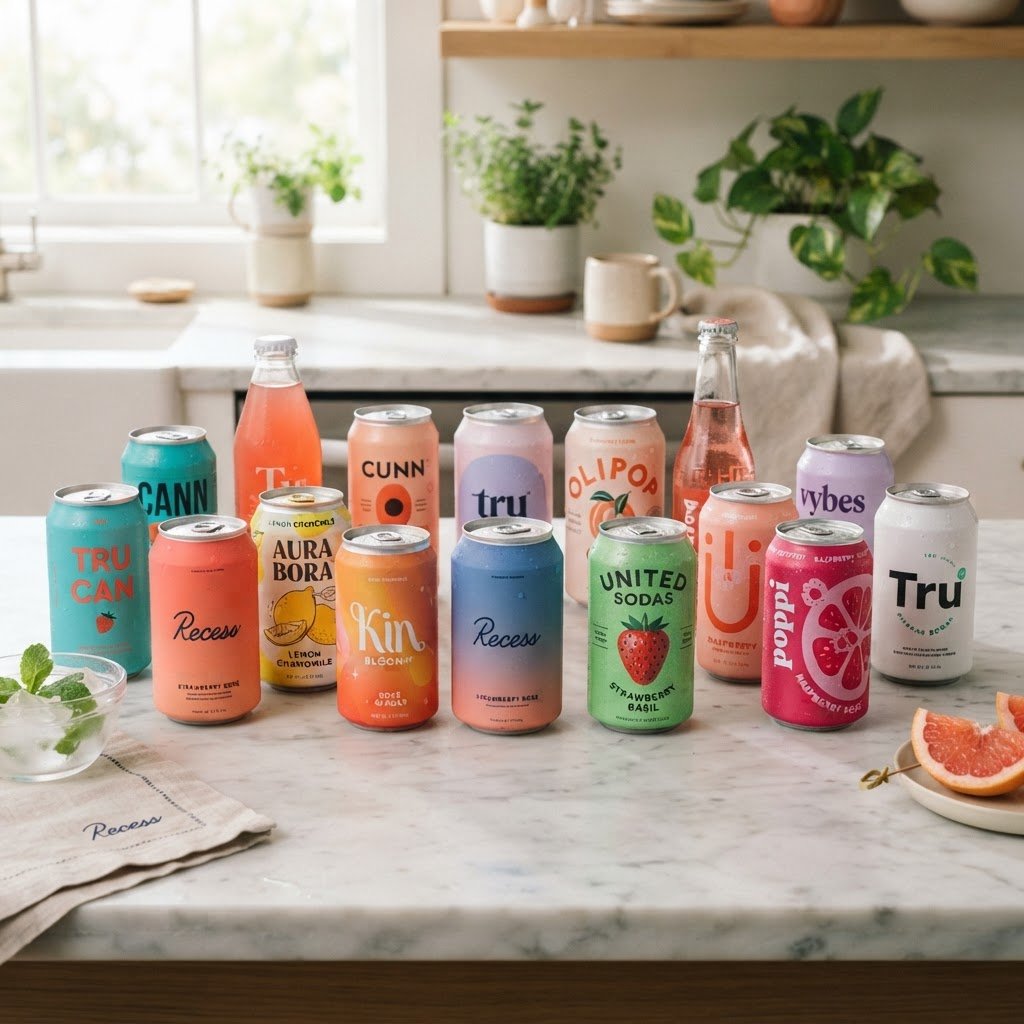
Step inside a neighborhood grocery store, a high-end specialty market, or a corner bodega in virtually any major city today, and the refrigerated beverage case tells an unmistakable story. Where rows of high-fructose corn syrup sodas and plain sparkling waters once dominated the shelves, an eclectic tapestry of matte-finished pastel cans now stands front and center. These slender aluminum vessels carry names that sound more like botanical remedies or meditation apps than traditional soft drinks. They promise not merely hydration or a sugary hit of energy, but a calibrated emotional state: calm, focus, gut harmony, or restful sleep.
Welcome to the era of the functional beverage. From adaptogenic botanical sodas infused with ashwagandha and reishi mushrooms to sparkling magnesium mocktails and prebiotic tonic waters, the beverage landscape has undergone a radical transformation. What was once a niche corner of health food stores populated by bitter herbal teas and chalky protein shakes has exploded into a mainstream cultural phenomenon. The functional drinks trend represents a profound shift in consumer psychology—one where liquid refreshment is no longer viewed as a passive comfort, but as an active tool for daily physiological and mental calibration.
From Refreshment to Solution: The Evolution of Liquid Consumption
To understand how beverage shelves became liquid apothecaries, one must look at the shifting relationship between consumers and everyday wellness. For decades, the non-alcoholic beverage industry operated on a straightforward binary. On one side sat indulgence: carbonated soft drinks, fruit juices, and sweetened iced teas consumed primarily for taste and pleasure. On the other side sat basic utility: bottled water for hydration, black coffee for morning wakefulness, and sports drinks for electrolyte replenishment during intense physical exertion.
Over the past decade, that simple division crumbled under the weight of changing health priorities. Consumers began turning away from artificial ingredients, synthetic dyes, and excessive refined sugars. Yet, plain water left a sensory vacuum, and traditional diet drinks offered little beyond empty sweetness. Into this space stepped a new class of beverages designed to do something specific for the body and mind. The modern consumer no longer asks simply, “How does this taste?” Instead, the pressing question has become, “What specific benefit does this drink deliver over the next three hours?”
This functional evolution mirrors broader movements in personalized nutrition and preventive self-care. Rather than treating wellness as a rigid regimen confined to morning supplement routines or evening gym visits, people increasingly seek micro-moments of health optimization woven throughout the workday. A sparkling beverage enhanced with adaptogens or cognitive botanicals offers a seamless, pleasurable mechanism to deliver those benefits without breaking the rhythm of daily life.
The Molecular Menu: Nootropics, Adaptogens, and Prebiotics
At the heart of the functional drinks trend lies an expanded lexicon of bio-active ingredients that were virtually unknown to the average shopper a generation ago. Today, ingredients once reserved for traditional herbal medicine and specialized compounding pharmacies are prominently featured in bold typography across beverage labels.
Among the most prominent categories are adaptogens—plant-based substances such as ashwagandha, rhodiola rosea, holy basil, and functional mushrooms like reishi and cordyceps. These compounds are prized for their ability to help the body regulate physical, chemical, and biological stress. Rather than pushing the nervous system into overdrive like caffeine or dulling it like alcohol, adaptogens are formulated to foster homeostasis, smoothing out the physiological spikes and valleys of a demanding schedule.
Alongside adaptogens, nootropics have emerged as a cornerstone of midday cognitive beverages. Ingredients such as L-theanine (an amino acid naturally found in green tea), alpha-GPC, and lion’s mane mushroom are blended into sparkling waters designed to promote sustained concentration without the characteristic jitters or afternoon crash associated with espresso. The promise is clear: calm alertness in a can.
Simultaneously, the conversation around gut health has reshaped the soda aisle. Prebiotic tonics made with chicory root, agave inulin, and plant fibers have repositioned carbonated drinks as allies of the microbiome. By replacing fifty grams of sugar with gut-nourishing fibers and organic fruit juices, these modern sodas satisfy the nostalgia for carbonation while aligning with contemporary digestive science.
The Economics of the Functional Beverage Boom
The rise of functional beverages is not merely a lifestyle movement; it is an economic powerhouse reshaping global consumer goods markets. Industry analysis reveals a market moving with remarkable velocity. The global functional beverage market—spanning functional waters, energy drinks, botanical sodas, and wellness shots—was valued at approximately USD 150 billion in recent years and is projected to expand toward USD 260 billion by 2030, reflecting a robust compound annual growth rate of over 7%.
Sensing a monumental secular shift, venture capital firms and major multinational beverage conglomerates have funneled billions of dollars into emerging functional drink startups. Legacy brand giants that built global empires on traditional cola formulas are aggressively acquiring boutique wellness beverage makers, launching internal incubation units, and reformulating classic lines to include vitamins, minerals, and plant extracts.
What makes the functional beverage category particularly lucrative for manufacturers and retailers is premium positioning. While a standard soda or canned sparkling water might command a modest price point, consumers routinely demonstrate a willingness to pay four to six dollars for a single can of a functional tonic. The economic transaction has shifted. Buyers do not perceive themselves as purchasing carbonated water and flavorings; they view the transaction as an accessible, low-cost investment in mental clarity, mood enhancement, or digestive comfort.
Sober Curiosity and the Reimagining of Social Rituals
Any analysis of the functional drinks trend must account for a significant demographic tide: the steady decline of alcohol consumption, particularly among Gen Z and Millennial demographics. Driven by heightened awareness of sleep quality, mental wellness, and overall physical health, millions of adults are re-evaluating their relationship with alcohol, embracing sober curiosity, or choosing temporary abstinence during initiatives like Dry January.
However, rejecting alcohol has rarely meant rejecting the social rituals associated with drinking. The need for a transitional beverage at the end of the workday remains deeply ingrained in adult life. Humans crave the psychological punctuation mark that separates labor from leisure—the act of cracking open a cold vessel, pouring a vibrant liquid over ice into fine glassware, and enjoying a complex, adult flavor profile.
Functional drinks have stepped into this social void with sophisticated mocktails and botanical aperitifs. Enhanced with calming agents like magnesium glycinate, GABA, L-theanine, and tart cherry juice, these drinks offer a genuine physiological sense of unwind without intoxication, neurological disruption, or the physical toll of a morning hangover. The evening “magnesium mocktail” has evolved from a viral social media recipe into a commercial category of its own, proving that relaxation can be bottled without resorting to alcohol.
The Visual Culture of Beverage Optimization
In the digital age, a product’s physical design is inextricably linked to its cultural adoption. The visual branding of functional beverages represents a masterclass in modern aesthetic design. Gone are the aggressive, neon-drenched graphics of early 2000s energy drinks. In their place are minimalist serif fonts, serene pastel gradients, tactile matte cans, and transparent ingredient lists that signal purity, intentionality, and sophistication.
On platforms like TikTok and Instagram, functional drinks have become lifestyle accessories and symbols of personal wellness curation. The humorously affectionate concept of the “beverage goblin”—someone who maintains multiple drinks at their desk simultaneously for hydration, energy, and pleasure—highlights how deeply beverage selection has integrated into daily routines and personal identity. Holding a sleek can of adaptogenic soda signals an alignment with modern self-care, bodily awareness, and intentional living.
This aesthetic appeal extends to retail environment design as well. Boutique grocers and online specialty delivery services curate beverage fridges with the same artistic precision once reserved for wine cellars or craft beer taprooms. The shelf itself has become an invitation to explore sensory and functional possibilities.
Scientific Scrutiny and Regulatory Horizons
As the functional drinks trend continues its rapid expansion, it inevitably faces critical questions regarding efficacy, formulation standards, and regulatory oversight. Nutritionists, researchers, and regulatory bodies are increasingly scrutinizing the actual dosage of active ingredients contained within off-the-shelf cans.
While clinical studies demonstrate that adaptogens like ashwagandha or nootropics like L-theanine produce measurable physiological benefits, those results are typically achieved at specific, controlled dosages over sustained periods. Some functional beverages contain micro-doses—sometimes referred to as “fairy dusting”—where ingredients are added in amounts sufficient for marketing claims but potentially below therapeutic thresholds.
Furthermore, the interplay between the placebo effect and genuine biochemical reaction remains an intriguing aspect of consumer experience. The simple act of stepping away from a computer screen, opening an aesthetically pleasing beverage, and taking a mindful break creates a restorative psychological effect, regardless of the precise milligram count of botanical extracts inside. As the industry matures, consumers are becoming more discerning readers of labels, seeking out brands that provide transparent ingredient sourcing and clinically meaningful dosages.
What the Beverage Frontier Means for Wellness Culture
The omnipresence of functional drinks is more than a fleeting consumer fad; it is a mirror reflecting how contemporary society navigates stress, health, and daily existence. In a world characterized by hyper-connectivity, continuous notifications, and relentless productivity demands, individuals are seeking accessible, gentle mechanisms to reclaim agency over physical and emotional states.
The humble beverage can has been reimagined as a vehicle for daily mindfulness and bodily autonomy. Whether seeking a moment of grounded stillness amid a frantic afternoon or searching for an inclusive social drink that respects tomorrow morning’s commitments, the functional beverage offers a tangible, delicious answer.
As research into nutrition, the human microbiome, and botanical science deepens, the boundary between food, beverage, and wellness will continue to blur. The functional drinks trend demonstrates that when health optimization meets exceptional taste and cultural resonance, a simple sip can transform an entire industry.