
A perspective piece from The Listening Market
There is a distinct, unsettling shift in the atmosphere of a house when an unwanted intruder reveals itself. A sudden scratch behind the drywall at midnight, a trail of tiny dark bodies marching across a pristine marble countertop, or the fleeting shadow of a rodent slipping beneath the refrigerator alters the relationship between a resident and their sanctuary. The instinct that follows is immediate: find a reputable professional, schedule an appointment, and hand over the problem. It feels like a simple transaction—a professional arrives with specialised equipment, applies a remedy, and restores peace.
Yet the reality of modern pest management is far more collaborative than most homeowners realise. An extermination or pest control visit is not a theatrical performance where a specialist works magic in an untouched environment. It is a precise, scientific intervention whose success depends heavily on the physical condition of the house at the moment the technician steps through the front door. Knowing how to prepare home before pest control specialists arrive transforms a routine visit into a highly effective campaign, ensuring that treatments reach their targets, hazards are minimised, and long-term protection is established.
To view preparation as mere housekeeping is to misunderstand the biology of house-dwelling pests. Insects and rodents do not navigate domestic spaces the way humans do; they move through shadow corridors, wall voids, structural seams, and hidden micro-climates. When a home is properly prepared, those hidden corridors are exposed, allowing professional-grade applications to bond where they matter most. Here is an editorial guide to readying every room, protecting every resident, and maximizing the return on a pest control investment.
The Invisible Geometry of the Domestic Perimeter
To an experienced pest control professional, a room is not defined by its paint color or soft furnishings, but by its perimeter. Cockroaches, ants, silverfish, and spiders move primarily along vertical planes and structural edges, using baseboards, crown molding, and wall-floor junctions as primary highways. When furniture, storage boxes, or children’s toys are pressed tight against baseboards, they create shielded sanctuaries that technicians cannot easily reach without risking damage to personal property.
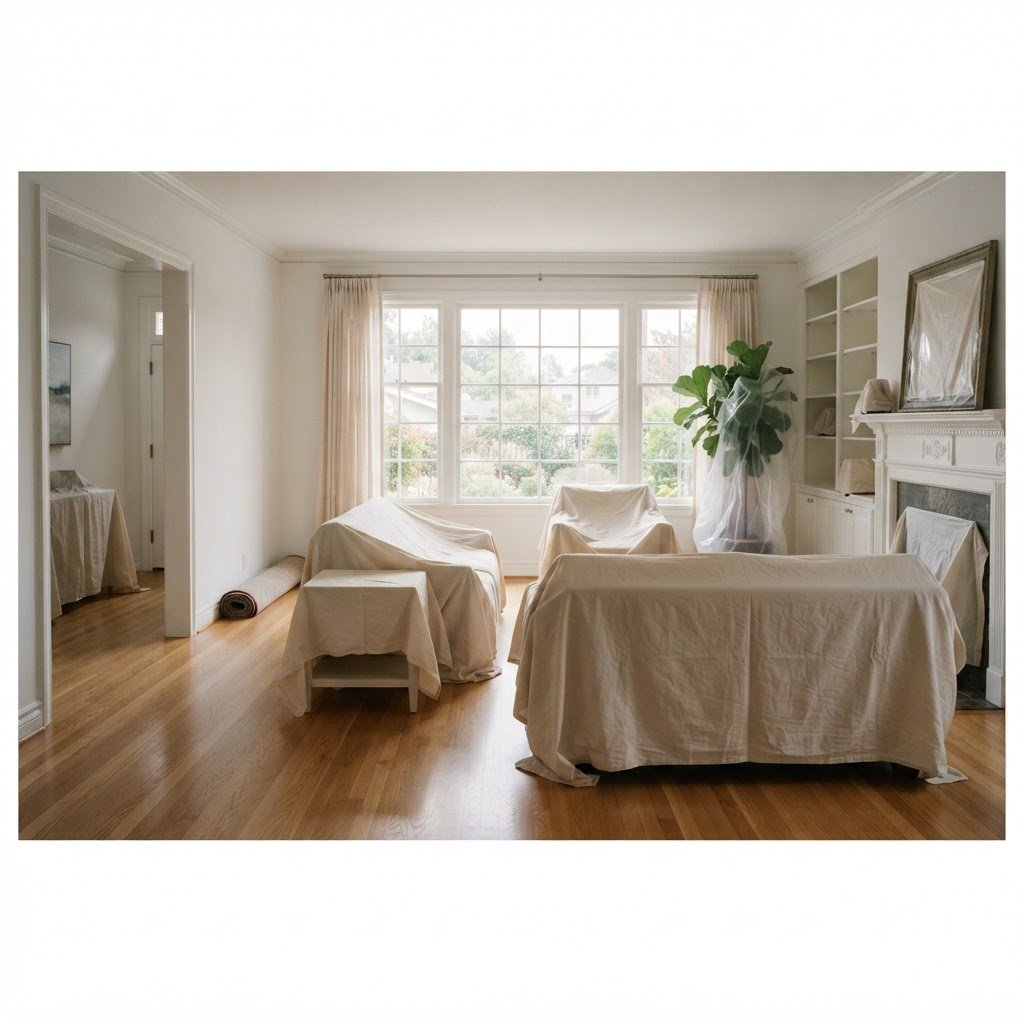
Exposing the Highways — The first structural step to prepare home before pest control treatments begin is establishing an uninterrupted perimeter. Moving sofas, armchairs, bookshelves, and bed frames roughly twelve to eighteen inches away from interior walls creates a continuous access aisle. This allows the technician to apply residual barrier sprays, gel baits, or dust treatments directly to baseboards and cracks where pests travel, rather than spraying aimlessly into open rooms.
Clearing Closet Floors and Cabinet Voids — Closets and storage nooks are frequent harborage areas because they remain dark, undisturbed, and warm. Removing shoes, boxes, and plastic totes from closet floors exposes the floor-to-wall joints. Similarly, opening up access to utility panels, water heater enclosures, and under-sink voids gives specialists a clear line of sight to high-humidity zones where pests frequently nest.
Sanitising the Kitchen and Pantry Baseline
The kitchen is inevitably the epicenter of domestic pest activity. It offers the holy trinity of survival: abundant moisture, predictable warmth, and micro-crumbs invisible to the human eye but capable of sustaining entire insect colonies for weeks. Consequently, kitchen prep demands meticulous attention to detail long before the service vehicle pulls into the driveway.
Deep Cleaning Before, Not After — A common misunderstanding among homeowners is waiting until after a treatment to conduct a deep clean. In truth, all major cleaning—sweeping, mopping, scrubbing grease from stove hoods, and vacuuming pantry shelves—must happen before the technician arrives. Modern pest control relies on long-acting residual barriers and micro-encapsulated formulations designed to remain on surfaces for weeks. Mopping or scrubbing floor edges immediately after a treatment effectively washes away the professional barrier, rendering the application useless.
Sealing Food Supplies — All edible items must be protected from both pests and potential chemical drift. Open boxes of cereal, bags of flour, sugar, dried pasta, and pet food should be transferred into airtight glass or heavy-duty plastic containers with rubber seals. Alternatively, items can be stored temporarily inside the refrigerator. Breads, fresh fruits, and snacks left on open countertops should be cleared completely and stored away in sealed cupboards.
Managing Cookware and Utensils — Countertops should be wiped clear of all small appliances, dish drying racks, and cutting boards. If a treatment involves aerosol sprays, misting, or intensive dusting, covered pots, pans, plates, and cutlery should be protected inside cabinets or placed in heavy plastic bags. Small kitchen appliances like toasters, coffee makers, and blenders should be wiped down, emptied of crumbs, and covered or stored inside cabinets.
Safeguarding Family Members and Domestic Pets
A home is a living sanctuary for children, elderly family members, and companion animals. Ensuring their safety during and after a pest control visit requires clear planning, proper timing, and strict adherence to safety protocols set by the service provider.
Protecting Mammals and Avian Companions — Dogs and cats are naturally curious and often inspect newly treated areas with their noses and paws. Plan to keep pets entirely out of treated zones until all liquid sprays have completely dried—a process that typically takes between two to four hours depending on ambient humidity and ventilation. Birds possess exceptionally delicate respiratory systems and must be relocated to a completely separate, untreated residence or room until sprays have dried and the home has been thoroughly ventilated.
Managing Aquariums and Terrariums — Fish and amphibians are hyper-sensitive to airborne chemicals, particularly synthetic pyrethroids commonly used in pest control. Aquariums must be tightly sealed with plastic wrap or thick towels around all lids and openings. Crucially, external air pumps must be unplugged during the application and re-entry period to prevent the pump from pulling airborne treatment vapors directly into the tank water.
Clearing Floor Surfaces and Children’s Belongings — All children’s toys, plush animals, pacifiers, teething rings, and pet toys must be picked up from floors, carpets, and low furniture. Place these items inside sealed plastic containers, storage drawers, or closets where no chemical drift or liquid overspray can touch them. Bedding and pet blankets should be laundered in hot water and kept off the floor during the service window.
Tailoring Preparation to Specific Invaders
While general perimeter clearing and kitchen hygiene apply to almost every service, specific pests require highly targeted preparation strategies to maximize treatment efficacy.
Targeting Cockroaches and Ants — For bait-based roach or ant treatments, sanitation is paramount. Gel baits work by competing against natural food sources. If grease splatters remain on the stove or sugar residue lines pantry shelves, insects may ignore the professional bait entirely. Emptying all interior trash bins, drying out sinks, and repairing dripping faucets deprives pests of water, forcing them to consume the toxic gel baits placed by the technician.
Preparing for Fleas and Ticks — Flea treatments require an intensive preparatory ritual. Every square foot of carpet, rug, and upholstered furniture must be thoroughly vacuumed immediately prior to the technician’s arrival. Vacuuming performs two critical functions: it lifts carpet fibers so liquid treatments penetrate deep into the pile, and the heat and vibration stimulate dormant flea pupae to hatch from their protective cocoons, exposing them directly to the treatment. Always seal and discard the vacuum bag in an outdoor trash bin immediately after vacuuming.
Addressing Bed Bugs — Bed bug preparation is perhaps the most rigorous process in pest management. It involves stripping all bed linens, mattress covers, pillowcases, and blankets, sealing them in heavy plastic bags, and washing them on the highest heat setting followed by at least thirty minutes in a hot dryer. Clothing from dressers and closets must be similarly heat-treated and stored in sealed bags. Furniture must be pulled far away from walls, and clutter must be reduced to absolute zero to eliminate hiding spots in seams and baseboard cracks.
The Art of Information Sharing and Communication
When the technician arrives, the physical preparation of the house establishes the baseline, but clear communication provides the tactical advantage. Homeowners possess daily intimate knowledge of the home’s quirks, noises, and trouble spots that a visitor cannot discern in an hour-long inspection.
Documenting Activity Zones — Before the visit, keep a brief written log or take photos of specific pest sightings, droppings, wood shavings, or damage. Note the specific times of day or weather conditions when pests seem most active. Informing the technician that ants consistently appear along the western kitchen window frame after rainfall gives them immediate, actionable intelligence to target entry points.
Discussing Structural Vulnerabilities — Highlight known structural issues, such as a leaky pipe behind the bathroom wall, a loose foundation vent, a gap around a dryer exhaust pipe, or an attic hatch that doesn’t seal flush. Modern pest control relies on integrated pest management (IPM), which combines chemical applications with exclusion techniques—sealing holes and removing environmental attractants.
Post-Service Protocol: Re-entry and Long-Term Vigilance
The work to prepare home before pest control does not end when the technician packs their gear and leaves. Executing a thoughtful post-service protocol ensures that the treatment settles safely and effectively while maintaining a healthy living environment.
Observing Re-entry Timelines — Always respect the designated re-entry period specified by the pest control professional. Returning too early, while liquid applications are still damp, increases the risk of skin contact or inhalation. Upon returning, open windows and doors for fifteen to twenty minutes to encourage fresh air circulation throughout the house.
Selective Surface Cleaning — While food-preparation surfaces like countertops and cutting boards should be wiped clean with warm soapy water before preparing meals, baseboards, floor edges, and cabinet backs should be left untouched. Avoid mop contact with baseboard margins for at least two to three weeks to allow the residual barrier to continue repelling and neutralizing emerging pests.
Understanding Initial Activity Spikes — It is common to notice an increase in insect or rodent activity during the first forty-eight to seventy-two hours following a professional application. This is a sign that the treatment is working: flushing agents and nervous system disruptors force pests out of their hidden harbourage zones into the open as they succumb to the application. Patience and non-interference during this window are essential.
Ultimately, a successful pest control outcome is a partnership between professional expertise and residential preparation. By creating clear physical access, safeguarding loved ones, maintaining scrupulous sanitation, and communicating clearly with technicians, homeowners ensure that their living space transitions smoothly from a vulnerable environment into a fortress of quiet, pest-free comfort.