
A perspective piece from The Listening Market
There is a particular kind of joy that comes from opening a well-wrapped package. The anticipation, the reveal, the brief rush of owning something new. It is a feeling that consumer culture has spent decades perfecting, and for a long time, it was the dominant way people chose to reward themselves. A promotion meant a watch. A birthday meant a gift. A hard week meant a shopping trip. The equation was simple. Spending equalled happiness, and things were the currency of that happiness.
That equation has not been broken, but it has been revised. More people are redirecting their spending toward experiences, and the shift is not driven by austerity or environmental guilt, though both play a role for some. It is driven by a growing understanding that experiences deliver something things cannot. Not just memories, though those matter. Not just stories, though those persist. Something harder to name, a quality of aliveness that comes from being fully present in a moment that cannot be replicated or replaced.
The research has been pointing in this direction for years. Studies on consumer happiness have consistently found that experiential purchases generate more lasting satisfaction than material ones. Things lose their novelty. The new car becomes the old car. The phone that seemed revolutionary is replaced by another phone that seems equally revolutionary. Experiences, by contrast, resist depreciation. A concert remembered fondly does not become less enjoyable in recollection. A trip taken with friends does not feel less valuable five years later. If anything, time enhances them, and the stories that come from them become part of how people understand themselves.
Social media has played an ambiguous role in this shift. On one hand, it has turned experiences into a kind of social currency. The Instagram-ready holiday, the festival photo, the restaurant review. There is a performative dimension to experiential spending that can feel as hollow as any status-driven purchase. But beneath the surface, the deeper effect has been to expose people to a wider range of possibilities. Seeing friends travel to unfamiliar places, try new activities, or attend events they would never have known about has expanded the menu of what feels possible and desirable. The inspiration is real, even if the presentation is sometimes filtered.
The economic context matters too. Housing costs have risen dramatically in many cities, and for a generation that may never own a home on the same timeline their parents did, the calculus of what is worth saving for has shifted. If the large purchase feels out of reach, the smaller experience feels both affordable and meaningful. This is not a story about giving up. It is a story about reallocating, and the reallocation is often toward something that delivers more joy per dollar than the thing that was supposed to be the goal.
There is also a growing awareness of the burden of things. The apartment that is too small for everything already in it. The storage unit that costs more than the items inside it are worth. The exhaustion of maintaining, organising, and eventually disposing of possessions that were supposed to make life easier and instead made it heavier. Experiences do not require shelves. They do not need to be dusted, insured, or moved when a lease ends. They leave no physical trace, and for an increasing number of people, that weightlessness is part of their appeal.
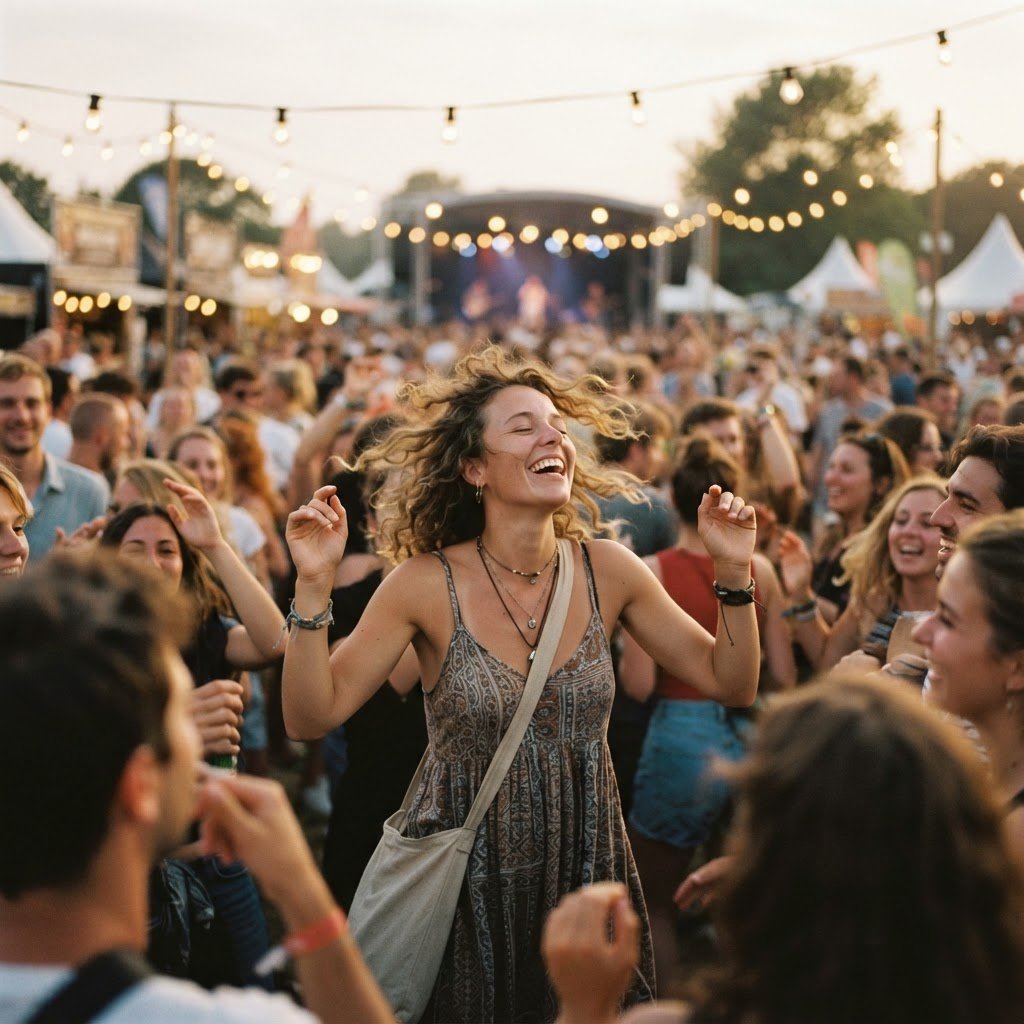
The shift is visible in how people plan their leisure time. Cooking classes, pottery workshops, wine tastings, and guided walks have seen rising interest. Music festivals and live events continue to draw crowds that rival or exceed pre-pandemic levels. Travel has rebounded not just in volume but in character, with more people opting for immersive, slower trips over rushed itineraries packed with photo opportunities. The goal is no longer to see everything. It is to feel something, and that desire has reshaped how time and money are spent.
For businesses, this shift has been both a challenge and an opportunity. Retailers that sell things have had to work harder to justify their place in people’s lives, and some have responded by adding experiential elements to their offerings. Stores that host events, brands that create immersive pop-ups, products that come with a community or a class attached. The line between thing and experience is blurring, and the businesses that understand this are the ones that are surviving the transition.
It would be simplistic to say that things no longer matter. They do. A well-made tool, a comfortable chair, a book that has been read and reread. These are not experiences, but they are not trivial either. The point is not that experiences are always superior to things. The point is that the default has changed. Where the automatic choice was once to buy, the automatic choice is increasingly to do, and that small shift in instinct has large consequences for how people live, spend, and remember.
What makes this trend durable is that it is not really about spending. It is about meaning. People are not choosing experiences because they are cheaper, though they sometimes are. They are choosing them because they feel more connected to something real. A meal shared with friends is not just a meal. A trip taken alone is not just a trip. These become reference points, stories told and retold, moments that define a season of life. Things can do this too, but they do it less often, and more people are noticing the difference.
The future of this shift is not a world without possessions. It is a world where possessions are chosen more carefully and experiences are valued more deliberately. A world where the question is not just what can be bought, but what will be remembered. And in that world, the experiences people choose may turn out to be the most valuable things they ever own, precisely because they cannot be owned at all.




