
A perspective piece from The Listening Market
The landscape of small business has always shifted with the times, but the pace of change in 2026 feels different. It is not just that new tools have appeared, it is that the cost of starting something has dropped so dramatically that the barrier between thinking about a business and actually launching one has nearly vanished. A laptop, an internet connection, and a willingness to learn are often enough.
What follows is a look at ten small business ideas that are quietly gaining momentum this year. Not trends borrowed from glossy startup decks, but ideas that ordinary people are turning into real income, often from kitchen tables and spare rooms.
AI-Assisted Consulting for Local Businesses
Plenty of small businesses know they should be using AI tools but have no idea where to start. A growing niche is filling that gap. People with a working knowledge of tools like ChatGPT, Claude, and various automation platforms are offering consulting services to local businesses, helping them write newsletters, automate customer responses, and streamline scheduling. The investment is virtually zero. The skill is simply knowing how to prompt well and connect a few platforms together. For restaurants, plumbers, salons, and accountants, even basic AI automation can save hours of admin each week.
Niche Subscription Boxes
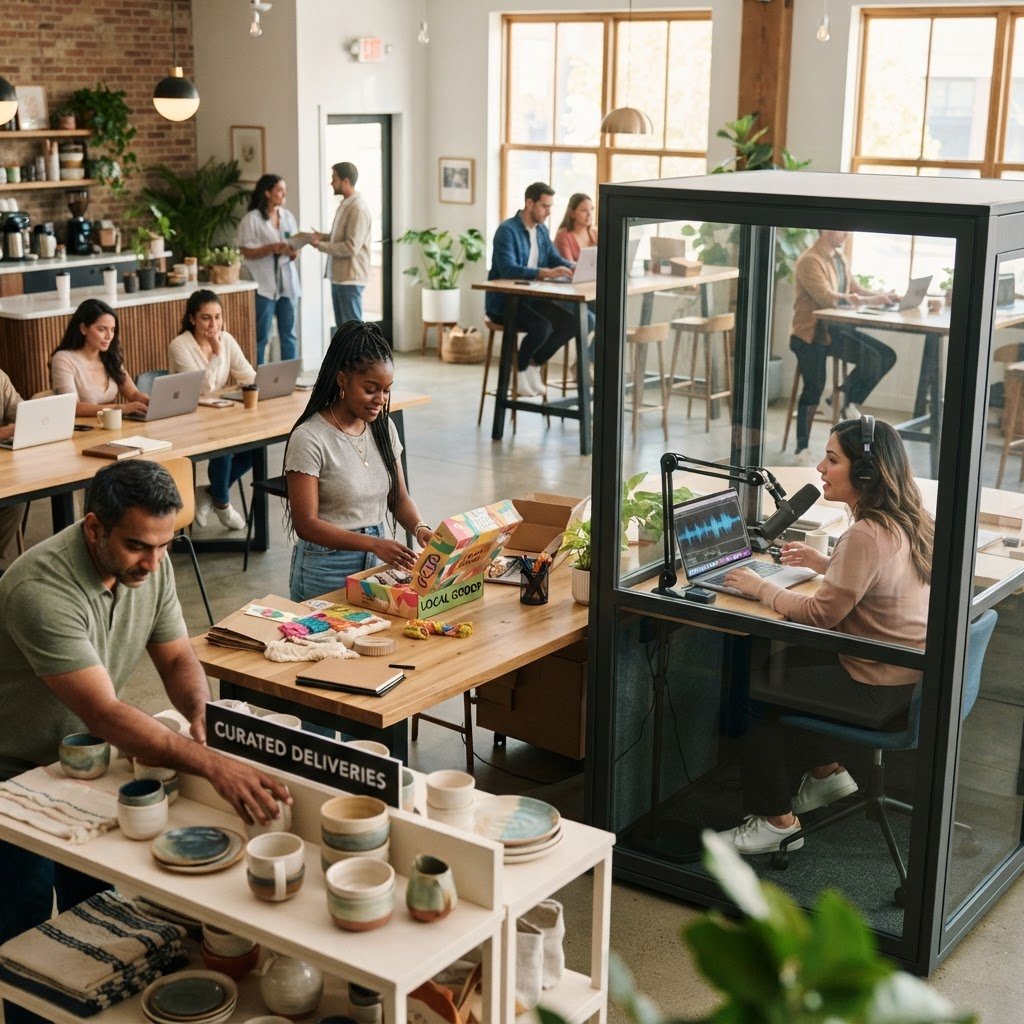
The subscription box model has matured beyond gimmickry. What works in 2026 is specificity. Instead of a generic snack box or beauty sample kit, successful operators are drilling into narrow passions. Boxes built around single-origin coffee from one region, heirloom seeds for home gardeners, or stationery curated for left-handed writers. The tighter the niche, the more loyal the audience. Fulfillment platforms have made logistics approachable, and social media lets niche communities find each other faster than ever.
Home-Based Meal Prep and Delivery
There is a renewed appetite for food prepared by someone nearby rather than a factory. Cooks with a signature repertoire, whether that is Sri Lankan curries, sourdough bread, or plant-based lunch bowls, are building small delivery rounds within their own neighbourhoods. The regulatory hurdles vary, but the demand is unmistakable. People want food that tastes like it came from a real kitchen, and they are willing to pay a premium for it. Social media works particularly well here, because a photograph of a beautiful lunch is its own advertisement.
Digital Organising and Virtual Assistance
The administrative backbone of many small businesses and busy professionals is chaos. Inboxes overflow, calendars conflict, files live in three different cloud drives, and nobody can find the password for anything. Digital organisers are charging by the project or the month to untangle this mess. The work involves setting up filing systems, migrating tools, cleaning up email chaos, and creating workflows that actually stick. It is less about technical wizardry and more about the willingness to sit with someone else’s disorder until it is resolved.
Urban Micro-Farming
Growing food in small spaces has moved from hobby to business. Backyard vegetable plots, balcony herb gardens, and community garden plots are generating surprising income when they are grown with intention rather than happenstance. Specialty crops that fetch good prices at restaurants and farmers markets, things like microgreens, edible flowers, and rare chilli varieties, can turn a few square metres into a profitable micro-enterprise. The overhead is minimal and the turnaround from seed to sale is often a matter of weeks.
Upscycled and Repurposed Goods
Sustainability is no longer a fringe concern and the second-hand economy is thriving. Creative people are building businesses around transforming discarded furniture, textiles, and building materials into desirable objects. Old timber becomes shelving, vintage fabric becomes cushion covers, and broken ceramics become mosaic art. The raw materials are cheap or free, and the story behind each piece becomes part of its value. Marketplaces like Etsy and Instagram give these makers an audience that values provenance over polish.
Hyper-Local Tour Guiding
Tourists are increasingly suspicious of the obvious attractions. They want to see neighbourhoods, eat where locals eat, and understand a place beyond its postcard. People who know their own suburb or town well, its history, its hidden laneways, its best unmarked bakeries, are turning that knowledge into paid tours. A walking tour of three or four hours can earn more than a day of traditional work. The key is authenticity, the guide does not perform a script, they share genuine enthusiasm for a place they actually love.
Online Communities with Membership Tiers
There is a business in bringing people together around a shared interest and giving them a reason to stay. Newsletter platforms and community tools have made it possible to build paid memberships around almost any topic. A monthly fee for access to a gardening community, a writers’ circle, or a group for new parents in a particular city can generate steady recurring revenue. The work is not in building the platform, it is in being a good host, curating useful conversations, and making members feel their participation matters.
Creator Economy Support Services
As more people try to make a living creating content, a whole layer of support businesses has emerged. Video editors, thumbnail designers, podcast producers, newsletter copy editors, and social media managers are all in demand. The supply of creators far outpaces the supply of people who can help them produce polished work reliably. Those who learn one specific supporting skill, rather than trying to be a generalist, can build a full client roster within months.
Mobile Repair and Maintenance Services
There is a growing gap between buying something and being able to fix it, and people are increasingly unwilling to throw things away. Mobile repair services for bikes, small appliances, clothing, and electronics are finding ready customers. The business travels to the customer rather than requiring a storefront. A tool kit, some expertise, and a scheduling app are enough to begin. The appeal for customers is convenience, and the appeal for the operator is low overhead and genuine variety in the work.
What Threads These Together
None of these ideas require venture capital, a team of developers, or a background in business. What they do require is a willingness to start before everything is perfect, to learn publicly, and to focus on solving a real problem for a specific group of people. The pattern across all of them is the same, find something people already need, do it a little better or more conveniently than the alternative, and keep showing up.
The businesses growing in 2026 are not necessarily the ones with the most ambition. They are the ones with the most traction. A single person who solves one problem reliably enough to be recommended is, in many ways, more powerful than a startup with a pitch deck and no customers. The tools have democratised, the barriers have fallen, and the opportunities are quieter and closer than they have ever been.




